
Dinner Fails Before the Recipe: A Three-Evening Friction Menu
SHUPA DIET / THE PRACTICAL EDIT
Dinner Fails Before the Recipe
A recipe can take twenty minutes and still be wrong for an evening when you have no clean pan, little attention or no desire to chop.
Explore the guide
A recipe can take twenty minutes and still be wrong for an evening when you have no clean pan, little attention or no desire to chop. This original planning exercise matches meals to the work you can actually do. It is about logistics and choice, not a weight-loss program or personalized nutrition advice.
LOW ATTENTION
Familiar assembly with minimal decisions.
ONE ACTIVE TASK
One main cooking task with simple sides.
MORE CAPACITY
A recipe that genuinely needs your attention.
Count transitions instead of promising speed
List the steps between arriving home and eating: clear a surface, find equipment, wash produce, chop, cook, portion and clean up. A recipe’s advertised time may not describe your kitchen. Use your own observations instead of assigning a universal time saving.
What is the hardest step tonight: deciding, preparing, watching the stove, or cleaning? Build around that one constraint first.
Make three versions of one meal idea
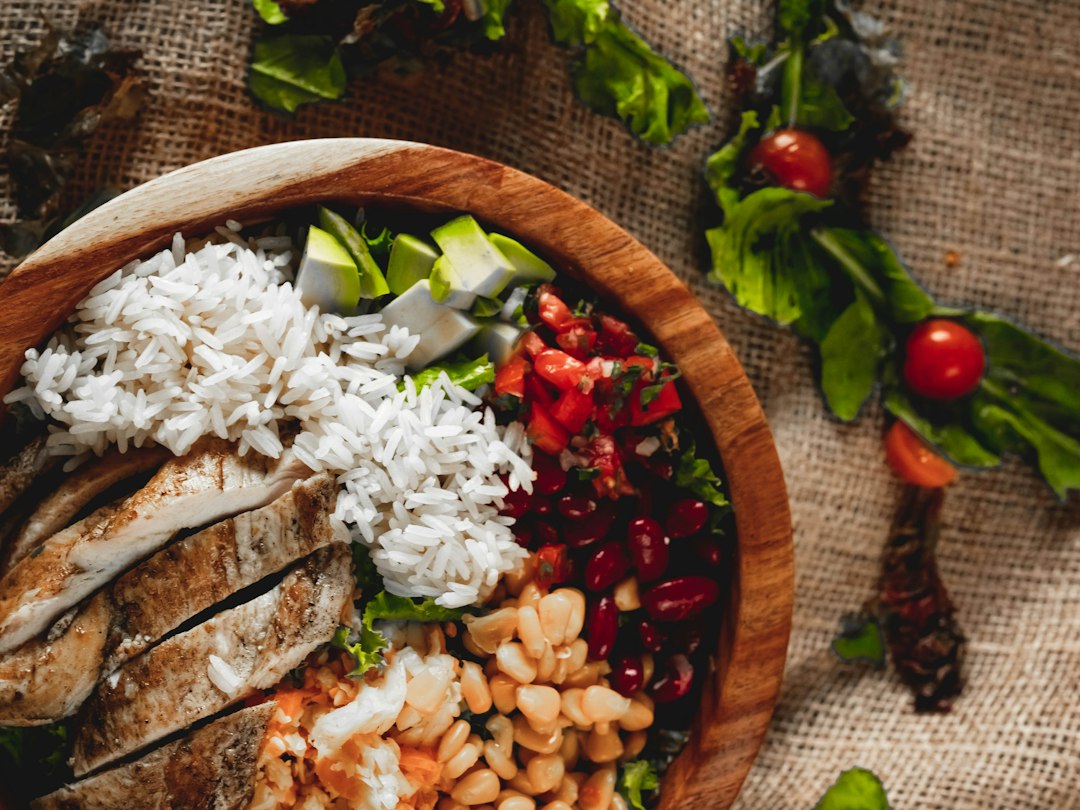
Take a grain-and-bean bowl as an example. Adapt ingredients to your dietary needs and follow their handling instructions. These are illustrative combinations, not nutritionally complete meal prescriptions.
Assembly version
Use suitable ready-to-eat components and an existing dressing. The goal is fewer preparation steps, not a claim that all packaged ingredients are ready to eat.
One-task version
Prepare one cooked component while the remaining suitable components need only assembly. Choose equipment you already have.
Full-recipe version
Cook the grain, prepare vegetables and make a dressing when you have the attention and equipment for those steps.
Test it over three ordinary evenings
Before dinner, record your available attention, clean equipment and chosen version. Afterward, record which step actually slowed you down, whether the meal was satisfying to you, and what remained unused. Avoid a score that rewards eating less or skipping meals.
Evening one: the recipe was quick, but washing up was not
For the next comparable evening, reduce the number of tools rather than buying a new appliance. A one-bowl assembly may fit; using ingredients unsafely to avoid washing does not.
Evening two: ingredients were available, but choosing was exhausting
Write two familiar options on a card before the next busy evening. Leave room to choose something else. A plan is useful only if it reduces effort without becoming another rigid rule.
Your reusable dinner card
Meal idea: ___
Low-attention version: ___
One-task version: ___
More-capacity version: ___
Equipment needed: ___
Most annoying step last time: ___
One change to try next time: ___
Do not infer food safety from appearance or convenience. Use the site’s food-safety guide and the relevant product instructions for storage and preparation. If you need a medically tailored diet, take the planning idea to a qualified clinician or dietitian rather than treating these examples as a prescription.