SHUPA DIET / THE PRACTICAL EDIT
Meal-Prep Food Safety
Planning ahead only saves time if the food is handled safely. Compare safe ways to thaw frozen chicken.
Explore the guideOn this page
Planning ahead only saves time if the food is handled safely. The goal of this checklist is to help you decide what to refrigerate, freeze, reheat or discard—not to teach a ‘food hack’ that bypasses safe temperature practices. Use local official guidance for specific foods and at-risk households.
Before you begin
Keep safety in the plan
Separate preparation, cooling and storage decisions. Check official recommendations for each food type.
Understand date labels →
1. Before cooking
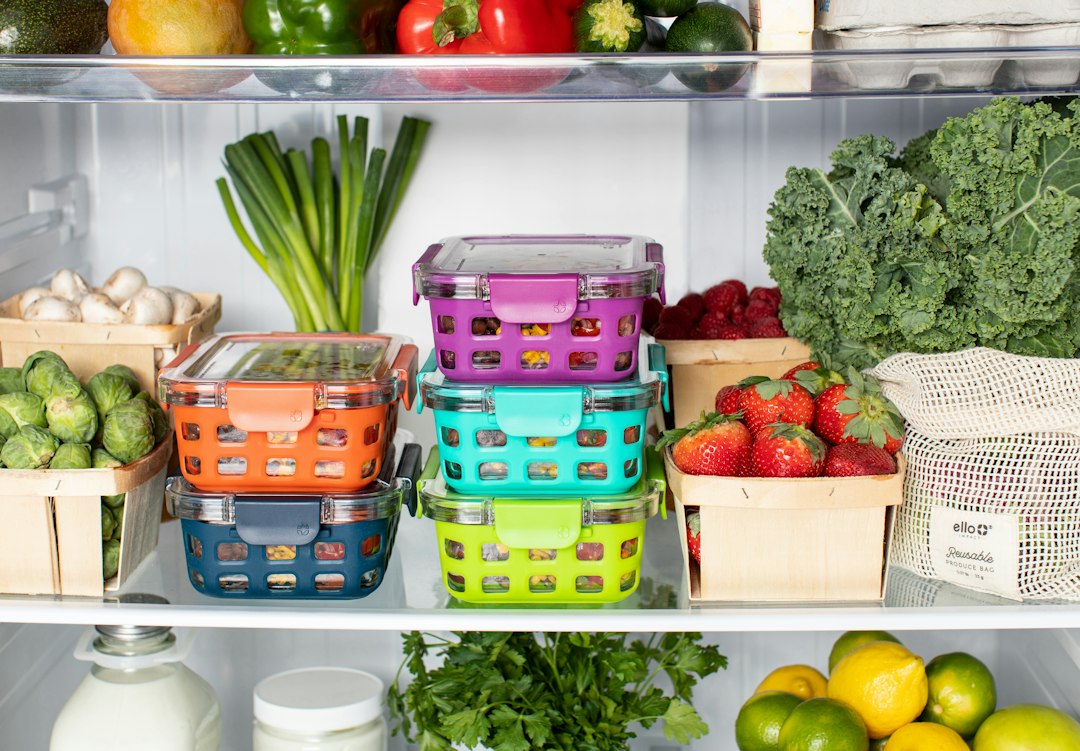
- Check that the refrigerator is at 40°F (4°C) or colder and the freezer around 0°F (-18°C).
- Clean work surfaces, wash hands properly, separate raw meat from ready-to-eat foods and use appropriate utensils.
- Prepare shallow, food-safe containers with working lids. Mark the cooking date.
- If using meat, seafood or eggs, use safe cooking temperatures appropriate to the food; do not judge safety by color alone.
2. After cooking
The USDA recommends quickly refrigerating perishable foods; do not leave them at room temperature more than two hours, or more than one hour in temperatures over 90°F (32°C). Shallow containers help cooked food cool faster. A large pot should not remain warm on the counter waiting for bedtime.
3. Refrigerator versus freezer planning
| Situation | Planning choice | Reason |
|---|---|---|
| Lunch for tomorrow | Refrigerate promptly | Near-term use |
| Cooked dinner in 2–3 days | Label and refrigerate appropriately | Stay within product-specific safe storage times |
| Cooked portion for later in the week | Freeze promptly when suitable | Many cooked leftovers have a typical 3–4 day refrigerator window |
| Food left unrefrigerated too long | Discard rather than tasting it | Smell and appearance cannot guarantee safety |
4. Reheating
The USDA gives 165°F (74°C) as the target for reheating leftovers. Use a food thermometer, especially for thick or mixed meals, and stir when needed to avoid cold spots. Microwave packaging and food-specific instructions matter. A meal may look hot on the outside while remaining cool in the center.
5. Taking lunch out of the house
For a long commute or a workplace without reliable refrigeration, use an insulated container and adequate cold sources suitable for the food. If you cannot keep perishable food safe, plan a shelf-stable option or buy food closer to the meal. Do not assume your lunch bag stays cold enough until afternoon.
Your take-away checklist
Two-minute checklist to post on the refrigerator
- Date and label cooked containers
- Keep raw and ready-to-eat food separate
- Cool and refrigerate perishables promptly
- Plan which portions to freeze
- Verify refrigerator temperature
- Reheat leftovers thoroughly
- When storage history is uncertain, discard
Make the advice usable: After confirming that your cooked leftovers were cooled and stored correctly, you can create a dated reminder with our printable leftover-batch label planner. A date label does not establish that food is safe; the USDA handling rules below still apply.
To understand what printed ‘Best if Used By’, ‘Sell By’, and ‘Use By’ dates actually mean, see our food date labeling and storage decision guide. Its references distinguish quality from handling safety.
Official references
USDA: Keep Food Safe; USDA: Leftovers and Food Safety. Always defer to product-specific storage, local regulatory and healthcare guidance where appropriate.
Shupa Diet original planning resource, October 16, 2026. Educational information only; it is not personalized nutrition or medical advice. See our Health Disclaimer.