Printable Leftover Batch Labels & Fridge Reminder Planner
SHUPA DIET / THE PRACTICAL EDIT
Printable Leftover Batch Labels & Fridge Reminder Planner
Turn a cooked-leftover preparation date into a simple, printable refrigerator label, with a clear reminder about the limits of date-based food safety.
Explore the guide
Cook once. Label clearly. Waste less.
Turn a cooked-leftover preparation date into a simple, printable refrigerator label, with a clear reminder about the limits of date-based food safety.
Free, no account. Entries are processed only in your browser. Nothing is sent to Shupa Diet.
Make your labels
Use one row for each cooked batch. Add up to four. The room-temperature question is critical; choose “Unknown” when you are not sure.
Ready for your entries.
Why the reminder uses three days, not a made-up expiration date
The USDA advises that cooked leftovers are generally kept in a refrigerator for three to four days when handled and stored correctly. This tool uses the third day as an early planning prompt, not a promise that a dish is safe until the fourth day. It cannot know your refrigerator temperature, how long food was left out, the original ingredients, or whether anything became contaminated.
When to avoid the date label
If perishable leftovers sat at room temperature for more than two hours, or more than one hour above 90°F (32°C), USDA advises discarding them. Reheating or adding a label does not undo unsafe handling.
Freezer labels are different
Write down the actual day you froze a batch; the cooked date alone does not tell us when freezing occurred. Frozen-food quality and refrigerated-food safety have different timelines. Consult the official cold-food storage chart.
A practical three-step weekly routine
- When you finish cooking: Divide leftovers into shallow containers and refrigerate promptly. Label the preparation date. Do not wait for food to sit on the counter for hours.
- Before your next shopping trip: Check what you already prepared, plan which portions to use, and freeze suitable extras while still within official safety guidance.
- When reheating: Follow USDA food safety advice; most reheated leftovers should reach 165°F (74°C), measured with a food thermometer.
Worked example: Sunday lunch prep
Imagine a hypothetical batch of cooked vegetable-and-bean rice prepared on a Sunday. It was quickly transferred to shallow containers and refrigerated within the USDA-recommended time. The worksheet places an early reminder on Wednesday (day three); Thursday would be day four, the outside edge of the usual general leftover window. A forgotten container that spent the afternoon on a warm counter is a completely different case: it should not be judged safe from its calendar label. These dates are a demonstration of the calculation, not a food-safety clearance or firsthand kitchen test.
Limits and related resources
This page is a self-contained planning tool, not a substitute for official handling instructions or professional advice. It intentionally does not record your entries in a database and does not infer temperature history. Food quality dates on unopened packages have different meanings from cooked leftover storage advice. Learn more in our food date versus food safety guide and meal-prep handling checklist.
Official food-safety sources
- USDA FSIS: Leftovers and Food Safety — handling, refrigerator timing and reheating.
- FoodSafety.gov: Cold Food Storage Chart — guidance varies by food type.
Compare grocery unit prices →Calculate cost per serving →Browse all Shupa Diet guides →
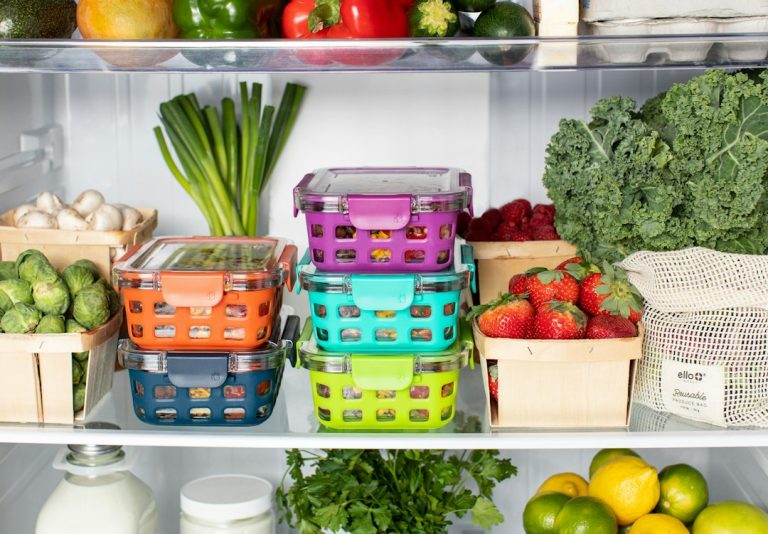
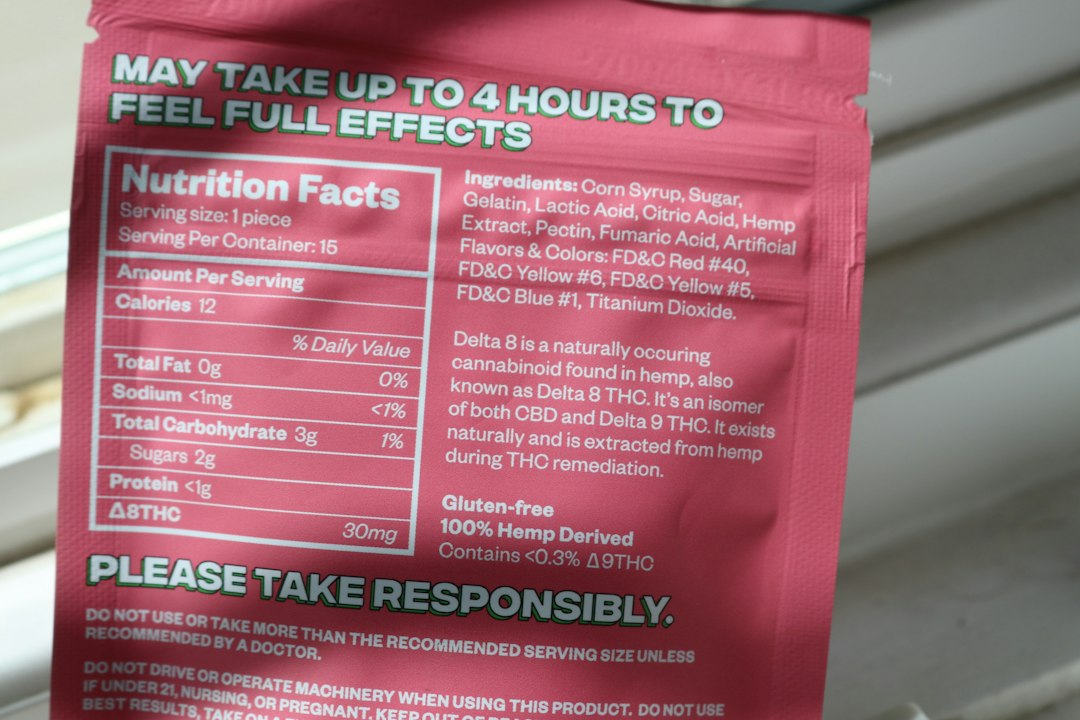
Prepared as an independently structured planning worksheet by Shupa Diet Editorial, October 2026. No clinician or kitchen laboratory has reviewed this tool. Illustrative photo by Ello via Unsplash; photo credits. Contact us for errors via the contact page.