SHUPA DIET / THE PRACTICAL EDIT
Five Flexible Weeknight Dinner Templates (Not Five Strict Recipes)
A rigid recipe list can create extra grocery work.
Explore the guide
On this page
- Recipes that bend with your week
- 1. The skillet
- 2. The tray bake
- 3. The soup or stew
- 4. The build-your-own bowl
- 5. The quick wrap or toast
- Worked example: one short shopping list, two different dinners
- What makes the two-dinner plan useful?
- Swap ingredients without rewriting your shopping list
- One-week dinner decision card
A rigid recipe list can create extra grocery work. These five recipe frameworks show different ways to cook from overlapping ingredients. You decide the exact amounts, seasoning, proteins and sides that are appropriate for your household. These are original meal combinations and planning prompts, not nutrient-calculated treatment diets.
1. The skillet
Heat a suitable pan, cook your selected protein as required for safety, and add chopped or frozen vegetables. Season with an appropriate spice mix or sauce, checking ingredients if someone has an allergy. Serve with rice, a potato or another side. Try beans with peppers and tomatoes as a meatless variation.
2. The tray bake
Arrange vegetables and a suitable protein in a tray, using safe separate handling for raw animal products. Season, cook to an appropriate safe internal temperature and serve with your chosen grain or other side. A meatless alternative could combine roasted vegetables and chickpeas.
3. The soup or stew
Use vegetables, beans or another appropriate protein and a liquid base. Simmer until ingredients are fully cooked and the texture suits you. If using a prepared broth, compare sodium information on the label. Make enough to freeze suitable portions promptly rather than holding a large pot in the fridge for too long.
4. The build-your-own bowl
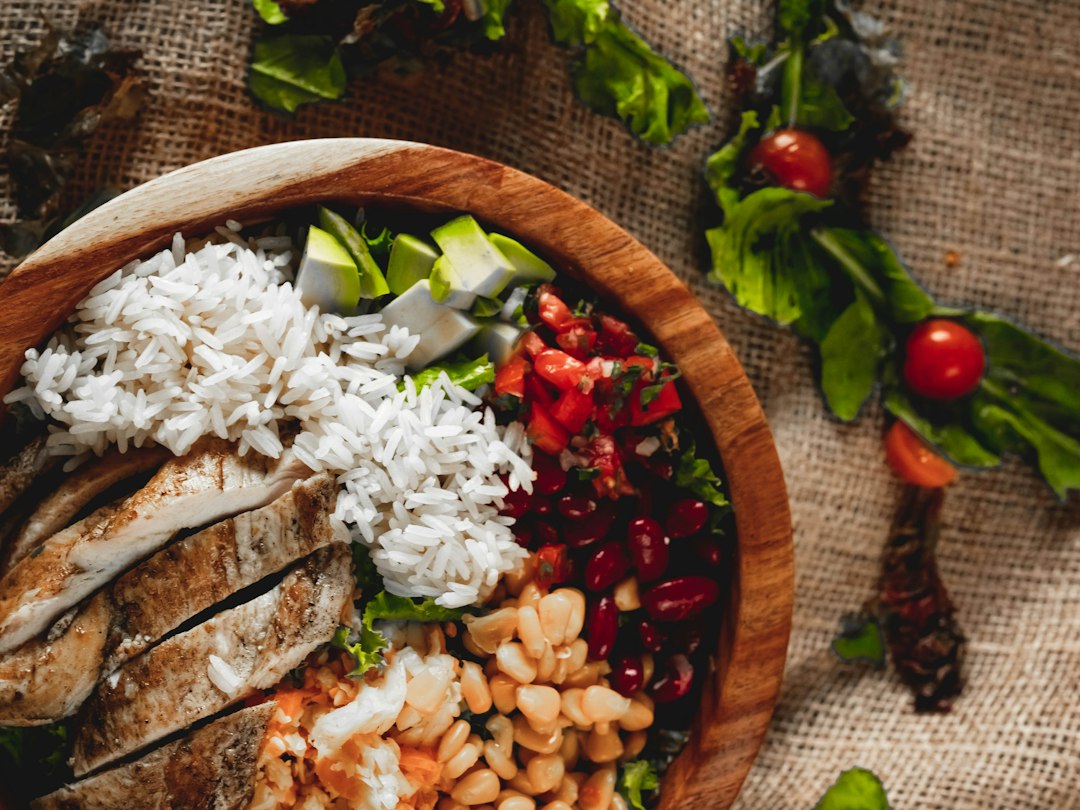
Combine a base such as rice, grains or greens with vegetables, protein and a dressing or seasoning. Keep ingredients separate until serving if different textures matter. Let each person choose an appropriate combination; no single bowl is ideal for every age or medical condition.
5. The quick wrap or toast
Take a tortilla or a slice of toast and add a prepared protein and vegetables. Use a suitable spread or condiment, then add fruit or another side if wanted. Check transport and storage guidance if packing it for later.
Worked example: one short shopping list, two different dinners
The five templates above explain meal formats. Here is one practical, ingredient-level example so you can see how to use a short list without cooking five separate recipes. This is an illustrative home-cooking plan, not a personally tested recipe or a nutritionally prescribed menu. Check ingredient labels and adjust to your household’s allergies, food preferences and dietary requirements.
Shared ingredients for roughly four flexible portions
- One 400 g can of cooked lentils (drain and rinse if appropriate for your needs)
- One 400 g can of plain chopped tomatoes
- About 400 g of mixed frozen vegetables suitable for cooking
- About 180 g uncooked rice, prepared according to its package
- Optional: a small amount of cooking oil and herbs or other seasonings, checking labels for allergens
- For a different presentation the next day: suitable tortillas, flatbread or another already-available side
Dinner A: lentil, tomato and vegetable rice bowls
- Cook the rice separately, following its package instructions and safe food-handling practices.
- Put the canned tomatoes into a suitable pot. Add the frozen vegetables and cook until the vegetables are thoroughly heated and tender; follow any packaging directions.
- Add the drained, already-cooked lentils and bring the mixture back to a thorough simmer, stirring and adjusting texture with a little water if needed.
- Season to taste. Divide some of the mixture over cooked rice, choosing portions that suit the people eating.
- If you intend to use extra portions later, cool and refrigerate promptly in suitable shallow containers rather than leaving a large hot pot on the counter.
Dinner B: next-day warm lentil wraps or an easy soup
For wraps, take a safely refrigerated portion of the prepared lentil mixture, reheat it thoroughly, and serve it in tortillas with any fresh components your household likes. For soup, reheat a portion in a pot with a little extra suitable broth or water and adjust the consistency. Reheat leftovers to the USDA-recommended 165°F (74°C) using a food thermometer. Neither alternative requires a new meat or sauce to be purchased.
Food safety comes before reducing waste: USDA generally recommends using most refrigerated cooked leftovers within three to four days, after prompt refrigeration at 40°F (4°C) or below. Freeze suitable extra portions if they will not be used in time. A meal left at an unsafe temperature is not rescued by reheating. Follow the USDA leftovers guidance and food-specific instructions.
What makes the two-dinner plan useful?
| Question | What to record | What changes your next shop? |
|---|---|---|
| What did we already own? | ____ | Buy only missing components, not an entire second recipe |
| Were there extra safe portions? | ____ | Plan prompt chilling/freezing before deciding to cook more |
| Did the household enjoy both formats? | ____ | Keep a favorite, change a flavor or switch a meal format |
| What did the batch actually cost? | ____ | Use the recipe cost-per-serving calculator with real purchase amounts |
| Could a package go to waste? | ____ | Compare smaller packages rather than assuming bulk is always cheaper |
Swap ingredients without rewriting your shopping list
| If the plan calls for | Try using | Check first |
|---|---|---|
| Leafy greens | Frozen spinach or cabbage | Preparation and texture |
| Chicken | Beans, tofu, fish, eggs | Cooking safety and allergens |
| Rice | Potatoes, pasta, another grain | Cooking time and preference |
| Sauce | Herbs, citrus, yogurt-based or other dressing | Ingredients, sodium, personal restrictions |
One-week dinner decision card
For each planned dinner, fill in:
- Template (skillet / tray / soup / bowl / wrap): ____
- Protein: ____; vegetables: ____; other side: ____
- Expected prep obstacles: ____
- Needed ingredient substitutions: ____
- Which leftovers can be safely used or frozen? ____
When a meal fails, do not abandon the week. Use an easier template next time and keep the ingredient list shorter. Food variety over time matters more than making one ‘perfect’ dinner.
Sources: CDC: How to Have Healthier Meals and Snacks; USDA: Keep Food Safe. See our grocery list blueprint for a plan that uses these templates.
Shupa Diet original planning resource, October 16, 2026. Educational information only; it is not personalized nutrition or medical advice. See our Health Disclaimer.