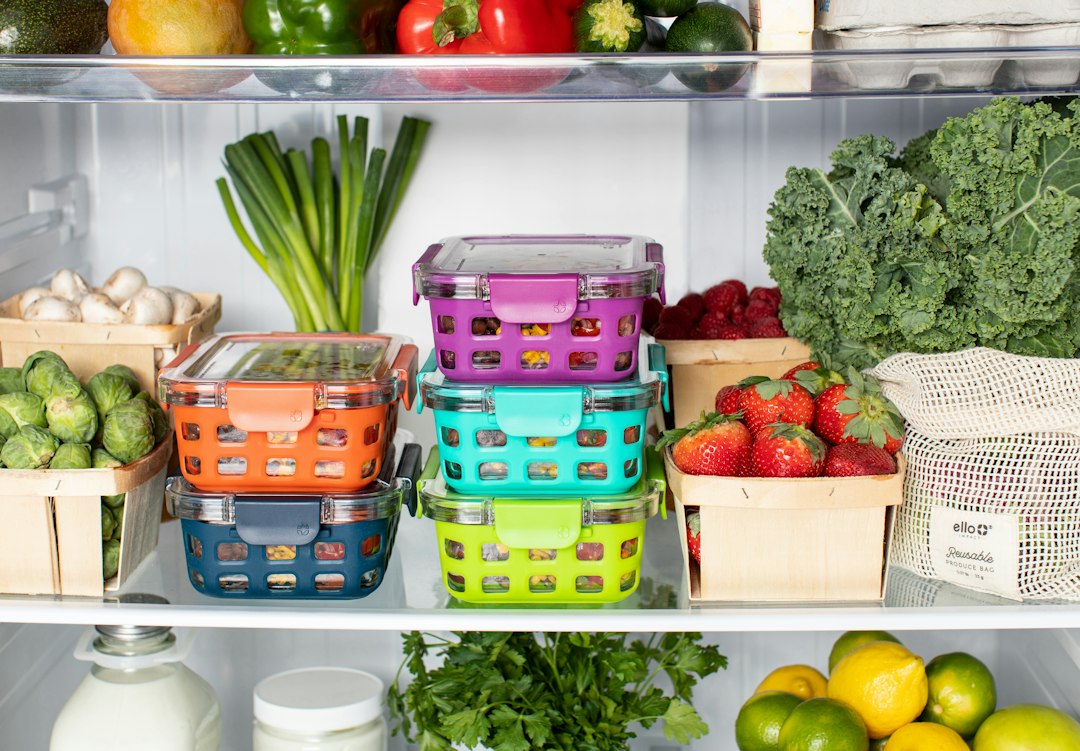
SHUPA DIET / THE PRACTICAL EDIT
Best By vs. Food Safety
A date on a food package and a safe storage decision are not the same thing.
Explore the guide
On this page
- Quality dates are not safety tests
- Begin with this one-minute decision tree
- What common date labels actually mean
- Cold-storage examples with official reference times
- Four realistic situations and what to do next
- A practical pantry-and-fridge inventory card
- Weekend review in five steps
- Official sources and related tools
A date on a food package and a safe storage decision are not the same thing. If you have thrown out a sealed pantry item simply because it passed a ‘Best if Used By’ date, or kept a cooked meal in the fridge because it still smelled fine, you’ve run into two different kinds of uncertainty. This guide offers a practical sorting system based on official U.S. food-safety guidance. Laws and labeling conventions may differ by country.
Begin with this one-minute decision tree
- Was the food stored correctly and is its packaging intact? If storage history is unsafe or uncertain for a potentially hazardous perishable food, do not rely on an attractive appearance or pleasant smell to clear it.
- Is this a quality date or a product-specific safety instruction? Read the exact label language rather than treating all dates as ‘expiration’. Infant formula has an important separate rule in the United States.
- Is it unopened and shelf-stable, refrigerated, frozen, or a cooked leftover? Those categories have different handling requirements. After opening, many products need refrigeration even when the unopened package is shelf-stable.
- Is there a specific product warning or recall? Follow official recall instructions even if the product has not reached a printed date.
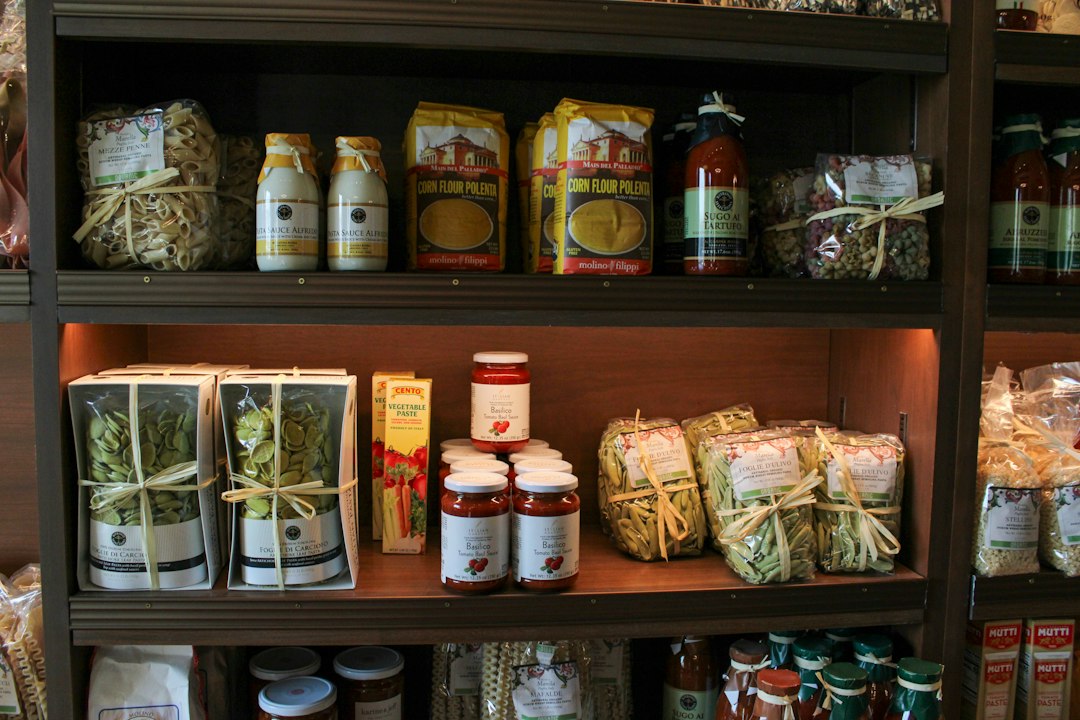
What common date labels actually mean
USDA explains that U.S. food date labels are generally voluntary and frequently concern peak quality rather than a firm safety deadline, with an important federal exception for infant formula. These label descriptions are not an instruction to consume questionable food.
| Label example | General meaning on U.S. packages | What the date alone does not prove |
|---|---|---|
| Best if Used By / Before | Expected best flavor or quality | That food is automatically unsafe the next day |
| Sell By | Retail inventory/display date | The exact safe storage period in your own home |
| Use By | Last date recommended for peak quality in many food categories | That every product type uses an identical legal rule |
| Freeze By | Suggestion for freezing to maintain quality | A substitute for safe handling or temperature controls |
| Infant formula Use By | Special regulated date relevant to nutrient quality | Permission to use formula after that date—do not do so |
These explanations apply to the particular U.S. regulatory guidance cited below, not all countries. Always follow product-specific packaging, local regulations and any recall notice.
Cold-storage examples with official reference times
FoodSafety.gov’s Cold Food Storage Chart uses a refrigerator at or below 40°F (4°C) and a freezer at or below 0°F (-18°C). Its refrigerator recommendations vary by food and condition. For example:
| Food category | Refrigerator guidance | Important distinction |
|---|---|---|
| Cooked meat or poultry leftovers | 3–4 days | Count from preparation and prompt chilling, not the grocery purchase date |
| Soups and stews (vegetable or meat) | 3–4 days | Large portions should be cooled and stored safely |
| Egg, chicken, ham or tuna salad | 3–4 days | Perishable prepared mixtures need refrigeration |
| Raw ground meat or ground poultry | 1–2 days | Not interchangeable with cooked leftovers or whole cuts |
| Raw shell eggs | 3–5 weeks | Store in original carton, refrigerated |
These examples do not override shorter instructions on a specific product. Freezer time recommendations usually focus on quality for food kept continuously frozen at the appropriate temperature. For at-risk individuals or medically restricted diets, ask a qualified professional for individualized guidance.
Four realistic situations and what to do next
Scenario 1: unopened dry pasta, past ‘Best if Used By’
First distinguish a quality date from a safety warning. Check how the product was stored, whether the packaging is intact, what the manufacturer says, and whether there is a recall. Do not throw out every shelf-stable food based solely on a printed quality date; do not keep damaged or questionable packages merely to save money.
Scenario 2: cooked chicken prepared several days ago
Use the cooked-leftovers storage timeline from official food safety guidance and check whether it was promptly refrigerated at a safe temperature. Never substitute a smell test for storage history. If you did not handle or cool it safely, it may be unsafe before the printed date on any ingredient package.
Scenario 3: a canned food with a swollen or leaking container
Do not open or taste a swollen, leaking, severely damaged or otherwise suspicious container to check it. Follow official food-safety disposal guidance. The package condition matters regardless of how far away the quality date appears.
Scenario 4: preparing five days of lunches on Sunday
Rather than assuming everything can sit in the fridge until Friday, plan when each meal will be eaten and freeze appropriately prepared portions intended for later in the week. Mark the date cooked and use official storage guidelines for the particular ingredients. Our meal-prep safety checklist gives a more detailed preparation workflow.
A practical pantry-and-fridge inventory card
Copy these columns into a notebook, spreadsheet, or paper list:
| Food | Opened? | Stored where and how? | Preparation/opening date | Next decision |
|---|---|---|---|---|
| ______ | Yes / No | Pantry / Fridge / Freezer: ______ | ______ | Use / Freeze / Check guidance / Discard |
| ______ | Yes / No | Pantry / Fridge / Freezer: ______ | ______ | Use / Freeze / Check guidance / Discard |
| ______ | Yes / No | Pantry / Fridge / Freezer: ______ | ______ | Use / Freeze / Check guidance / Discard |
Weekend review in five steps
- Check the temperatures and conditions of storage spaces.
- Look at foods that were opened or cooked this week, not only labels on unopened packages.
- Prioritize safe-to-use ingredients that are most perishable when planning the next meal.
- Freeze suitable extra portions promptly and mark the preparation date.
- Discard foods that were mishandled, recalled or are otherwise unsafe; saving money is never a reason to accept avoidable food poisoning risks.
Keep a usable record: When you have cooked leftovers and know the handling conditions, our printable leftover label planner helps you record preparation dates and an early planning reminder. It does not replace the official source timelines.
Official sources and related tools
- USDA FSIS — Food Product Dating (label meaning, federal exceptions and quality versus safety)
- FoodSafety.gov — Cold Food Storage Chart (food-specific times and temperatures)
- Shupa Diet — Meal-Prep Safety Checklist
- Shupa Diet — Grocery-List Blueprint
- Shupa Diet — Recipe Cost Calculator
Independent food-planning and storage worksheet by Shupa Diet Editorial, October 16, 2026. Storage guidance is based on the cited U.S. government resources, which should be consulted for individual food types and updates. This is general education, not individualized medical advice.