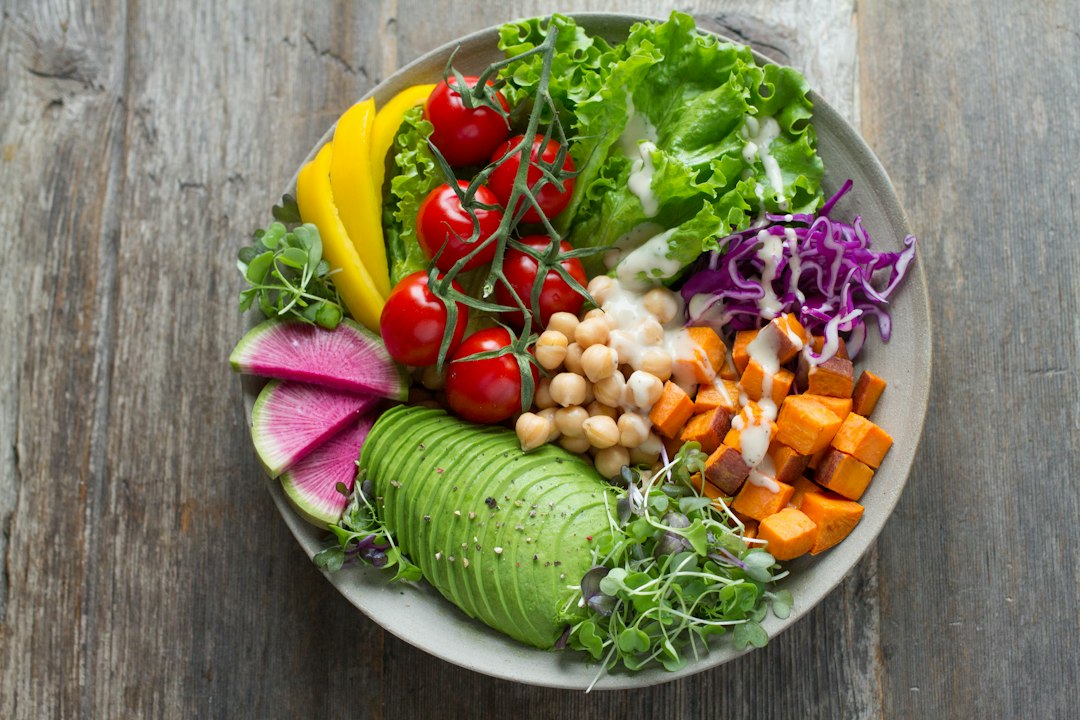
Restaurant and Takeout Meal Decisions: A Flexible Checklist
SHUPA DIET / THE PRACTICAL EDIT
Restaurant and Takeout Meal Decisions
Takeout is not a planning failure. The useful question is whether your meal is satisfying, safe and workable for your circumstances. Before reheating leftovers, read our microwave-container and safe-heating guide.
Explore the guide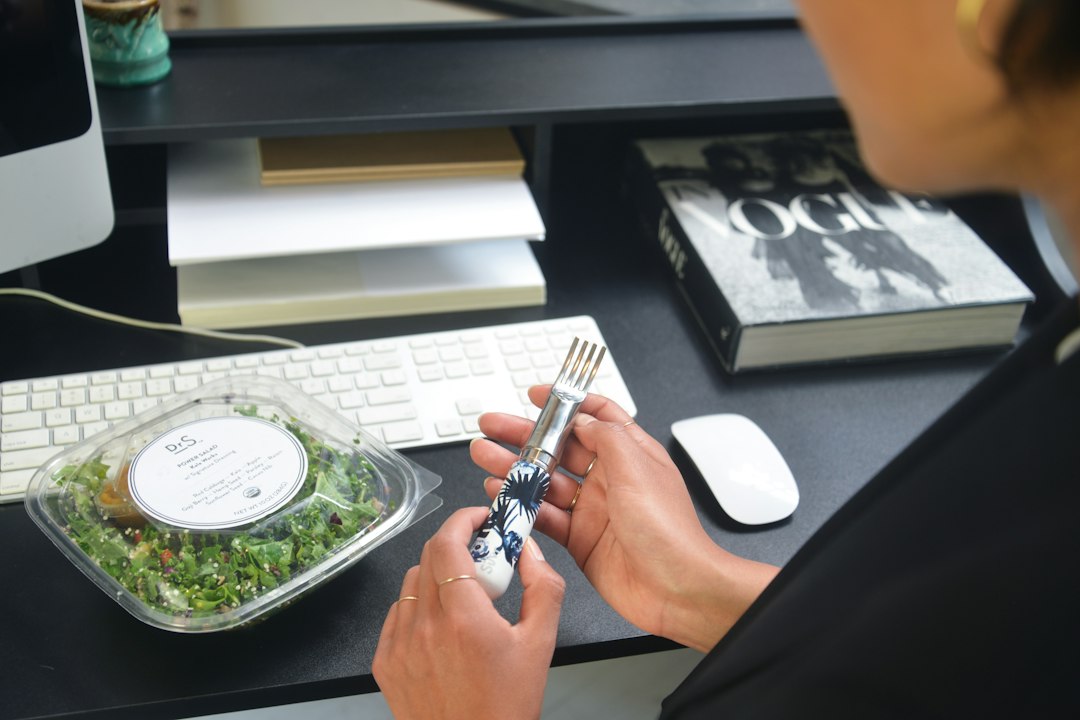
On this page
Takeout is not a planning failure. The useful question is whether your meal is satisfying, safe and workable for your circumstances. Use this five-minute ordering checklist to look past vague ‘healthy’ marketing and compare real options.
Before browsing menus
Identify one practical priority for this meal: convenience, budget, vegetables, a particular allergy, or enough food to avoid another unplanned order. If you need a medical nutrition plan, use advice from your healthcare team rather than general menu rules.
Compare choices using five factors
| Factor | Useful question |
|---|---|
| Ingredients | Can I identify the main protein, vegetables, grain or other components? |
| Adjustments | Can I request an appropriate side or sauce adjustment if I want one? |
| Portion | Will I enjoy the portion, save some safely, or split a larger order? |
| Allergens | Can the restaurant accurately answer necessary ingredient questions? |
| Total cost | What is the actual price including tax, delivery and other fees? |
Three example ordering scenarios
- Short lunch break: prioritize a dish that can arrive or be collected in time and is practical to eat safely. A technically ‘ideal’ meal that arrives too late does not meet your needs.
- Family dinner: pick a flexible format that lets people choose their sides; check which items share allergens.
- Two meals from one order: plan how to refrigerate leftovers promptly. Do not keep cooked takeout unrefrigerated for hours to save it.
Small changes without food guilt
Depending on your preferences, you can add a vegetable side, choose water, adjust condiments or save leftovers safely. None of these changes guarantees a health outcome, and one meal cannot tell the whole story of someone’s dietary pattern.
Compare three real menu choices in five minutes
Use the restaurant’s current menu for this worksheet, not an online claim that one dish is automatically healthier. Write down the actual price including delivery fees, then check ingredients and any practical issues that matter to you.
| What to compare | Choice A | Choice B | Choice C |
|---|---|---|---|
| Restaurant and dish | ____ | ____ | ____ |
| Total checkout price, including fees | ____ | ____ | ____ |
| Ingredient or allergy questions answered? | ____ | ____ | ____ |
| Vegetables, fruit or other components you want | ____ | ____ | ____ |
| Ready when you can eat it? | ____ | ____ | ____ |
| Likely leftovers and safe storage plan | ____ | ____ | ____ |
| Fits your actual priority today? | ____ | ____ | ____ |
Decision rule: if an ingredient safety question or medically necessary restriction is unresolved, don’t score that choice as safe based on the other factors. Ask the restaurant for reliable information or choose something with verified ingredients. If all choices meet your requirements, prioritize the balance of cost, convenience, preference and food handling that works for you.
Two situations where the obvious choice can mislead
Case 1: the inexpensive dish. A menu item has a low listed price but delivery, packing and minimum-order fees double the actual checkout amount. Compare the full bill rather than the menu price alone. A smaller order that you can realistically finish may represent better value than a large discounted meal that spoils.
Case 2: the ‘healthy’ label. A restaurant lists a dish as ‘healthy’ without ingredient or allergen details. A marketing label does not verify safety for a food allergy or substitute for a medically prescribed diet. Seek clear ingredient information rather than assuming the label answers your question.
Fill in before checkout
- Main dish: ____
- My actual priority: ____
- Allergen or ingredient questions: ____
- Total bill: ____
- Leftovers plan if needed: ____
- One change I might try next time: ____
Reference: CDC: Healthier Meals and Snacks; USDA: Safe Handling of Take-Out Foods.
Shupa Diet independent planning guide, October 16, 2026. General information, not individual medical or dietetic advice. See our Health Disclaimer.