SHUPA DIET / THE PRACTICAL EDIT
A Desk-Lunch Packing System for No-Fridge Workdays
A lunch planned for the office is not automatically safe to carry all morning.
Explore the guide
On this page
A lunch planned for the office is not automatically safe to carry all morning. This guide helps you choose a packing system based on time, temperature and available equipment. Food poisoning is not an acceptable trade-off for convenience.
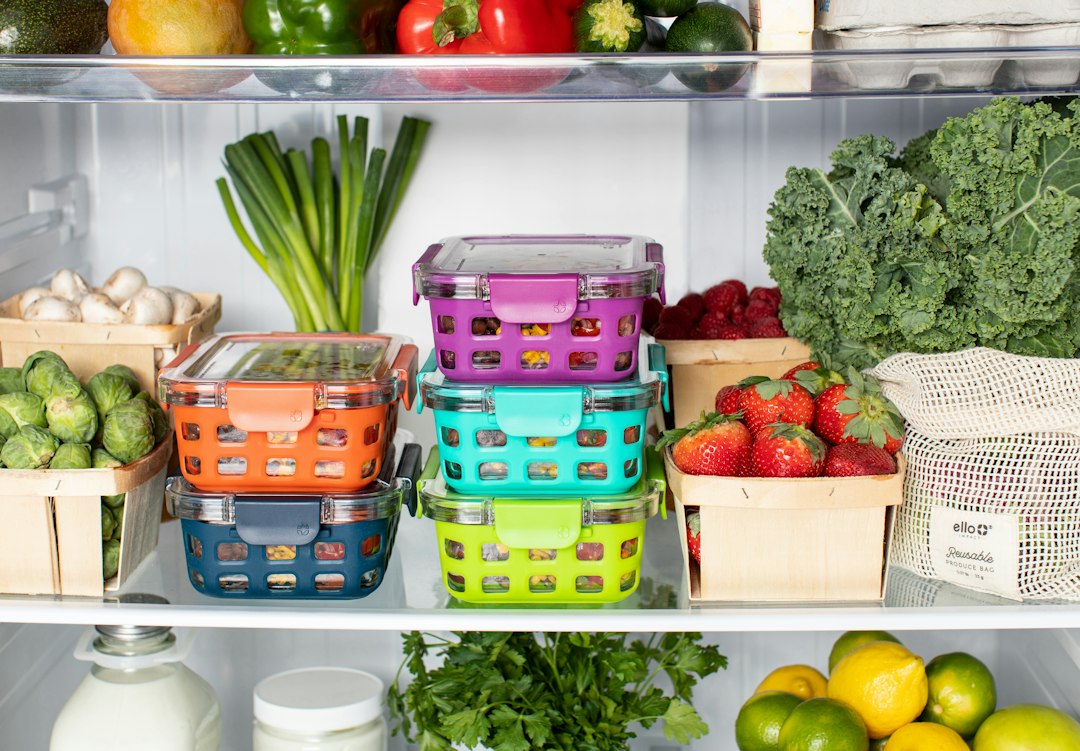
First: identify your actual equipment
- Reliable workplace refrigerator: yes / no / sometimes.
- Reliable means of reheating lunch: yes / no.
- Insulated lunch bag and sufficient ice packs: yes / no.
- How long will food be without temperature control: ____ hours.
Choose one of three packing approaches
| Approach | Example | Safety check |
|---|---|---|
| Cold lunch | Food that requires refrigeration | Keep it cold with a refrigerator or adequate cold sources |
| Hot lunch | Heated soup or other appropriate meal | Maintain safe hot holding and use suitable containers |
| Shelf-stable assembly | Sealed shelf-stable items assembled at eating time | Follow package labels; some items require refrigeration once opened |
Pack by components, not assumptions
For a shelf-stable option you might carry unopened foods that do not require refrigeration and combine them with permitted fresh items at the time of eating. For a refrigerated meal, use insulated transport and confirm that the food stays at a safe temperature. Be cautious with cooked rice, meat, seafood, dairy and other perishables; cooking in advance does not make them shelf-stable.
Three real-world lunchpacking scenarios
Scenario 1: a four-hour morning without a refrigerator. A cooked chicken-and-rice meal normally needs safe cold storage. An ordinary bag is not an adequate refrigerator. USDA recommends packing perishable lunches in an insulated bag with at least two cold sources, such as frozen gel packs; confirm that the lunch remains cold enough during the journey and until the meal. If you cannot maintain a safe temperature, choose a truly shelf-stable, unopened alternative that fits your needs, or arrange to obtain a freshly prepared meal near lunchtime.
Scenario 2: an unpredictable shift that extends beyond the normal break. A lunch you expected to eat at noon may sit several more hours. Check whether you have a reliable refrigerator at work, whether insulated transport is sufficient for the actual duration, and what you will eat instead if the safety of the packed meal is uncertain. Do not solve the scheduling problem by eating food that has been unrefrigerated for too long.
Scenario 3: shelf-stable items assembled at the desk. An unopened shelf-stable grain product, whole fruit and a suitable sealed pantry food may be practical. Read the exact package instructions: some foods require refrigeration after opening, and not every tuna salad, dairy item or prepared sandwich is shelf-stable merely because it is packaged. Decide where the food and waste will go after opening.
Temperature and time: what the official guidance says
USDA’s Keeping Bag Lunches Safe guidance recommends keeping perishable cold foods at 40°F (about 4°C) or below. As a general rule, perishable food should not remain at room temperature longer than two hours; when temperatures are above 90°F (about 32°C), the limit is one hour. A cold gel pack doesn’t automatically prove your food stayed cold: actual packing and time matter.
| If this is your situation | Practical response | What to verify |
|---|---|---|
| Fridge available immediately upon arrival | Chill at home, transport cold, refrigerate promptly | Fridge temperature and time out of cold storage |
| No fridge but insulated bag available | Use an appropriate insulated bag and at least two frozen cold sources for perishables | Food remains at safe temperatures until mealtime |
| No reliable way to maintain cold or hot temperatures | Choose verified shelf-stable, unopened foods or purchase a fresh meal | Storage directions for each product, before and after opening |
| Meal sat without temperature control beyond safe limits | Discard the perishable food rather than tasting it | Time and temperature history; smell is not a safety test |
Note: The scenarios explain handling rules, not personalized nutrition advice. Food restrictions, allergies, medication and medical diets may require professional advice. The USDA document is the source for the safety principles; the decision table is a Shupa Diet planning aid.
Six-question pre-departure checklist
- Was the food prepared and cooled safely?
- Does the package require refrigeration before or after opening?
- Will the destination refrigerator actually be available?
- Are cold packs adequate for the trip and time before eating?
- Is the lunch container sealed and suitable for transport?
- What will I do if the meeting runs late or the refrigerator is unavailable?
Backup without panic buying
Keep a small selection of packaged foods that are specifically labeled shelf-stable and suit your dietary needs, or know one nearby place to purchase a safe meal. Write down the backup rather than hoping you will improvise under pressure.
Official reference: USDA Food Safety Basics. If perishable food has been at room temperature for too long, discard it rather than tasting it to check safety. See our refrigerator and leftovers guide.
Shupa Diet independent planning guide, October 16, 2026. General information, not individual medical or dietetic advice. See our Health Disclaimer.