SHUPA DIET / THE PRACTICAL EDIT
Five Low-Fuss Breakfast Patterns Without Specialty Powders
Breakfast does not need a special supplement, a 'detox' ingredient or an elaborate recipe.
Explore the guide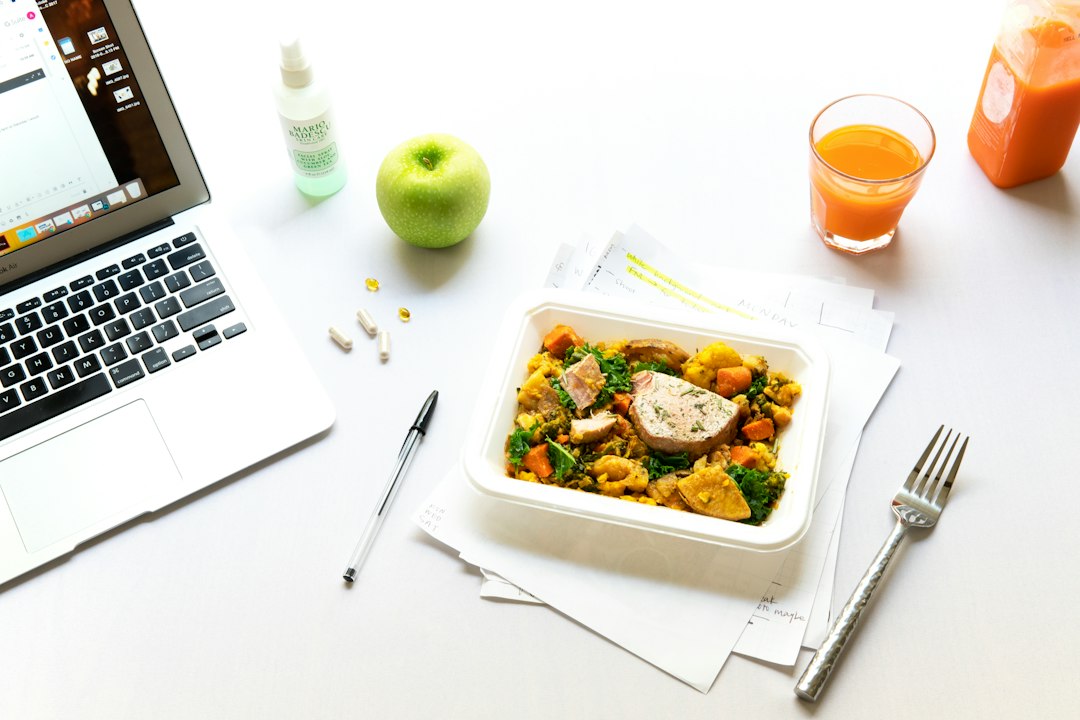
On this page
- Breakfast without a complicated recipe
- 1. Overnight oats, adjusted to taste
- 2. Savory egg-and-vegetable toast
- 3. Fruit, plain yogurt and a crunchy topping
- 4. Leftover grain bowl
- 5. The portable sandwich or wrap
- The two-minute decision table
- A two-breakfast rotation that uses overlapping groceries
- Shopping worksheet for two repeated breakfasts
- Prepare ahead without making food-safety assumptions
- Turn ideas into shopping decisions
Breakfast does not need a special supplement, a ‘detox’ ingredient or an elaborate recipe. It is one meal among many. These are five mix-and-match templates for adults who choose to eat breakfast, designed to reduce decisions rather than promise weight loss.
1. Overnight oats, adjusted to taste
Combine oats with a suitable milk or yogurt, then chill safely according to the product instructions. In the morning add fruit, nuts or seeds if suitable. If texture matters, prepare the components separately. For allergies or medical restrictions, select appropriate alternatives.
2. Savory egg-and-vegetable toast
Cook eggs safely with vegetables and serve with a bread or other side you enjoy. For an egg-free version, try cooked beans or tofu. Use frozen vegetables when mornings are rushed. Check the cooking instructions for any chosen substitute.
3. Fruit, plain yogurt and a crunchy topping
Choose yogurt or a suitable dairy-free alternative and add fruit. Compare labels if added sugar matters to your household; portions and needs differ. A grain topping can add texture, but do not assume one brand is automatically healthier from its packaging.
4. Leftover grain bowl
Breakfast can be savory. Reheat a safely stored cooked grain and add vegetables, protein and seasoning. Follow safe storage and reheating guidance. This option can make more sense than preparing a completely separate breakfast.
5. The portable sandwich or wrap
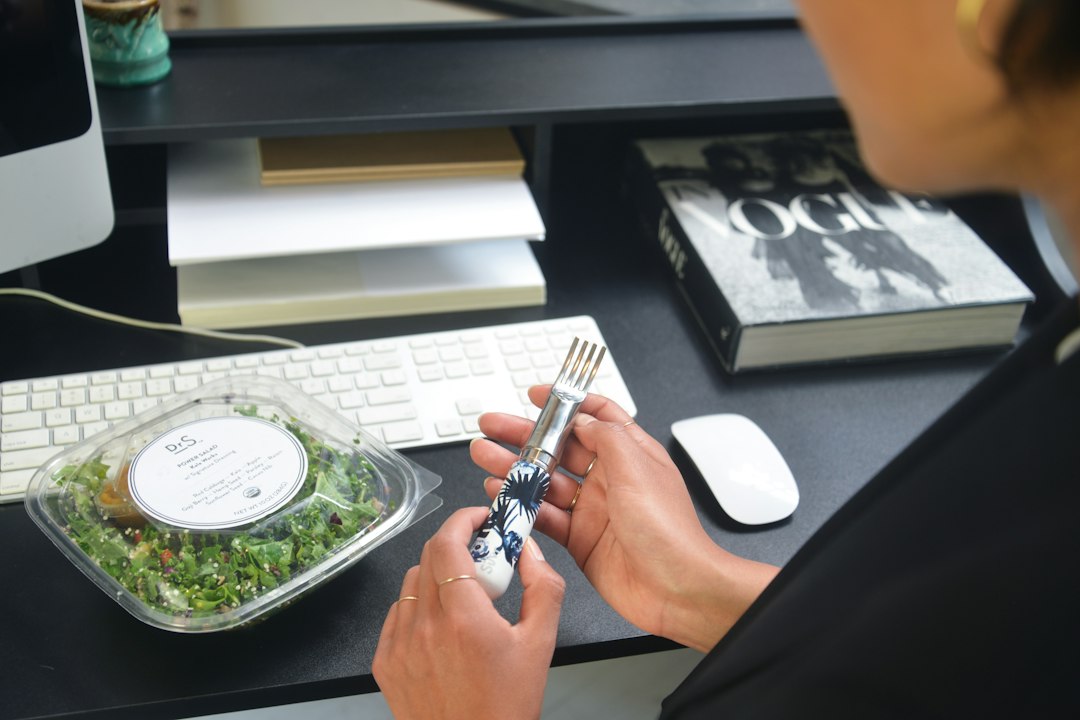
Use a wrap or bread with a suitable filling. Prioritize ingredients that travel safely for your commute and work conditions. Perishable fillings require appropriate temperature control; a shelf-stable alternative may be safer if refrigeration is unavailable.
The two-minute decision table
| Today’s constraint | Template to consider | Adjustment |
|---|---|---|
| Very little time | Yogurt and fruit | Prepare fruit and utensils the night before |
| Need something warm | Egg-and-vegetable toast | Use prewashed vegetables |
| Need to use leftovers | Grain bowl | Verify safe storage history |
| Commuting early | Sandwich or wrap | Plan safe transport |
| Prefer cold foods | Oats or yogurt | Choose an appealing texture |
A two-breakfast rotation that uses overlapping groceries
Choosing two adaptable breakfasts instead of five complicated recipes is a way to spend less time planning—not a rule about how often you should eat. Here is a hypothetical organization example that uses ordinary ingredients, different textures and flexible substitutions. Quantities are intentionally left open because household and medical needs vary.
| Day | Simple starting point | What can be reused | One decision to make |
|---|---|---|---|
| Monday | Oats with plain yogurt or a suitable nondairy alternative and fruit | Oats, fruit and yogurt | Mix when needed or prepare a chilled portion in advance |
| Tuesday | Vegetables and safely cooked eggs or another protein food with toast | Vegetables and bread | Choose a hot preparation that fits the available time |
| Wednesday | Repeat Monday, switching fruit or texture | Use remaining chilled ingredients within their storage instructions | Check what is already open in the refrigerator |
| Thursday | Repeat Tuesday using another suitable protein food | Vegetables and bread | Check allergies, food preferences and preparation safety |
| Friday | Choose whichever simple pattern fits the schedule | Use available ingredients rather than opening an entire new package | Pack safely for a commute or eat at home |
There are no fictional calorie counts or promised weight-loss results in this rotation. You choose the foods and amounts that suit your preferences and circumstances. If you are managing diabetes, kidney disease, allergies or other medical needs, follow your individual professional guidance.
Shopping worksheet for two repeated breakfasts
- Food already available (do not buy twice): ____
- One grain or bread suitable for the household: ____
- Two fruit or vegetable options, fresh, frozen or otherwise suitable: ____
- Protein foods or suitable alternatives needed: ____
- Any dairy or nondairy item, according to allergies and preferences: ____
- Packaging instructions or use-by dates to check: ____
- One no-prep backup if the morning plan fails: ____
Use our grocery unit-price calculator when comparing two package sizes, but account for whether you can use a larger package without spoilage. A lower cost per 100 grams is not automatically a better choice if the household cannot use the quantity safely.
Prepare ahead without making food-safety assumptions
The U.S. FoodSafety.gov cold storage chart uses a refrigerator at or below 40°F (4°C) and a freezer at or below 0°F (−18°C). Follow the specific food’s storage instructions and refrigerate perishables promptly. If you take a perishable breakfast on a long commute, consider how you will keep it at a safe temperature rather than leaving it in an ordinary bag for hours. See our workday packing guide for a more detailed checklist.
Turn ideas into shopping decisions
Choose only two breakfasts to repeat this week, not five. Note overlapping ingredients and store them as directed. See the grocery blueprint. For specific medical diets, consult a qualified professional.
Further reading: CDC: Healthier Meals and Snacks; FDA: What’s on the Nutrition Facts Label.
Shupa Diet independent planning guide, October 16, 2026. General information, not individual medical or dietetic advice. See our Health Disclaimer.