Takeout Bundle or Individual Meals? A Cost-per-Eaten-Serving Worksheet
A takeout bundle can look cheaper because the advertised serving count is larger. The useful comparison is different: how much will you pay for each portion your household is realistically likely to eat? This worksheet compares a bundle with individual orders using the checkout total, pickup or delivery costs and expected eaten portions.
Define one comparable meal occasion
Compare options for the same people and the same time window. If one option includes tomorrow’s lunch, count that portion only when someone has a realistic plan to eat it. Do not count a restaurant’s advertised serving number automatically: portion sizes, preferences and side dishes may not be equivalent.
Your cost-per-eaten-serving scratchpad
Use checkout totals that already include the charges shown at checkout. Add only costs not already included. These boxes do not calculate, save or send anything.
Cost per eaten serving = all-in option cost ÷ portions realistically expected to be eaten.
Bundle break-even portions = bundle all-in cost ÷ individual-option cost per eaten serving.
Worked example: the leftover plan changes the answer
All prices and choices below are fictional. They are included only to show the arithmetic.
| Item | Bundle | Individual meals |
|---|---|---|
| Checkout total | $48.00 | $39.00 |
| Extra pickup cost | $4.00 | $4.00 |
| All-in cost | $52.00 | $43.00 |
| Portions likely eaten | 4 (3 now + 1 planned leftover) | 3 |
| Cost per eaten serving | $13.00 | $14.33 |
With four eaten portions, the bundle costs $1.33 less per eaten serving. Its break-even is $52 ÷ $14.33 = 3.63 portions, so the household must realistically eat at least four comparable portions for the bundle to beat the individual option on this measure. If only three bundle portions are eaten, its cost becomes $17.33 per eaten serving and the decision reverses.
Audit the “likely eaten” number
- Name the person and meal. “One leftover” is vague. “Alex’s Tuesday lunch” is testable.
- Check preference, not just volume. A large side that nobody wants should not be counted as a future serving merely because it is included.
- Separate add-ons. Drinks, desserts and premium sides can make two orders incomparable. Either remove them from both options or label the benefit you are buying.
- Avoid double-counting fees. If the app’s checkout total already includes delivery, service fees, tax and tip, do not add them again.
- Record uncertainty. Use a low and high eaten-portion estimate when plans are shaky. If the cheaper option changes between those two cases, the decision depends on leftover follow-through rather than the menu price.
Add time and fit without inventing a wage
| Question | Bundle | Individual meals | Decision note |
|---|---|---|---|
| Ordering effort | Low / Med / High | Low / Med / High | How many custom choices? |
| Pickup/delivery window | Write minutes | Write minutes | Which fits the actual schedule? |
| Leftover plan | Named person + meal | Named person + meal | Is storage and reheating practical? |
| Unwanted items | List them | List them | Do not count them as value |
You can value time in money if that helps your household, but do not pretend a universal hourly rate exists. A simple note such as “bundle saves 12 ordering minutes” is often more honest than converting every minute into income.
Keep food safety outside the bargain math
A low cost per serving does not make a leftover suitable to keep. Follow the restaurant’s instructions and current official guidance for handling, chilling and reheating food. The U.S. government’s Four Steps to Food Safety is a starting point. When storage history is uncertain, do not force the leftover into the worksheet to justify a bundle.
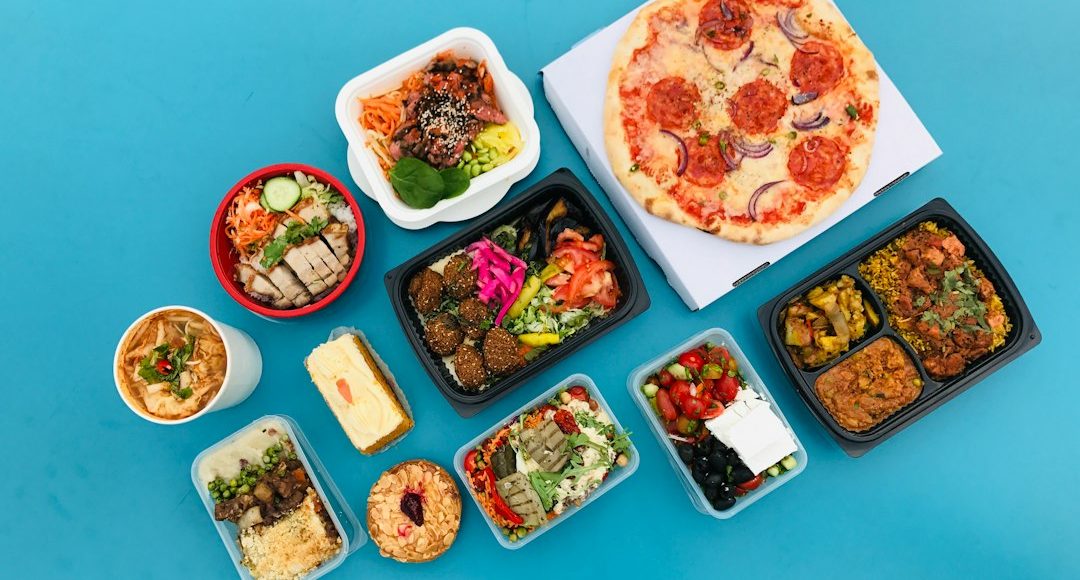
Photo: Cristiano Pinto on Unsplash. The image is an example of prepared food; it does not verify a restaurant, portion count, price, ingredient or food-safety practice.