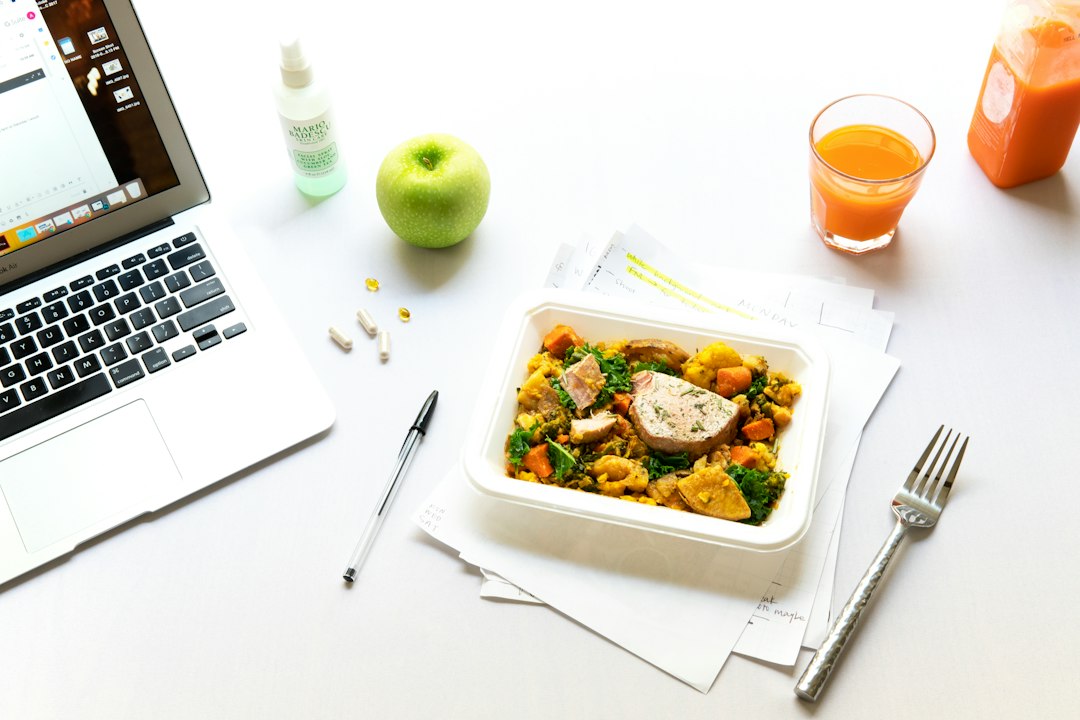
SHUPA DIET / THE PRACTICAL EDIT
Eating Well on Irregular Shifts
An irregular work schedule makes food routines more complicated than a typical 'breakfast at 8, lunch at noon' plan.
Explore the guide
On this page
An irregular work schedule makes food routines more complicated than a typical ‘breakfast at 8, lunch at noon’ plan. Instead of prescribing fixed meal times, this guide helps you plan food access and decisions around when you can reliably eat. Your nutritional needs and medical conditions still come first.
Start with three anchor questions
- When is the first reliable chance to eat—not the ideal chance?
- Where can you safely store and prepare food during the shift?
- What is your backup if a break is cancelled or your shift runs long?
Answer these before buying pre-portioned meal containers or committing to a fashionable eating schedule.
Plan by schedule, not by food rules
| Schedule | Likely obstacle | Plan to test |
|---|---|---|
| Early start | Little preparation time before leaving | Decide breakfast the night before; choose ready-to-assemble foods |
| Late end | No ingredients available after work | Keep a freezer or pantry fallback; prepare one component earlier |
| Changing shifts | Grocery planning feels unpredictable | Plan ingredients for flexible meal slots rather than fixed times |
| Long commute | Unsafe storage of perishable lunch | Confirm cold storage or choose a suitable shelf-stable option |
Choose a dependable two-option breakfast
Option A may be yogurt and fruit with oats, or a suitable nondairy alternative; Option B may be toast with eggs or beans. Both are examples, not prescriptions. Keep the necessary ingredients on hand. If breakfast is not practical for you, ask what food access you can actually count on, rather than treating one eating schedule as medically required for everyone.
One-workday food map
Write this before a shift:
- Shift begins / ends: ____ / ____
- First planned food opportunity: ____
- One food I can pack or purchase safely: ____
- Break-time fallback: ____
- Food storage available: fridge / insulated bag / shelf-stable only
- One ingredient waiting at home for dinner: ____
- What might interrupt the plan and how I will adjust: ____
Make food choices easier without rigid restriction
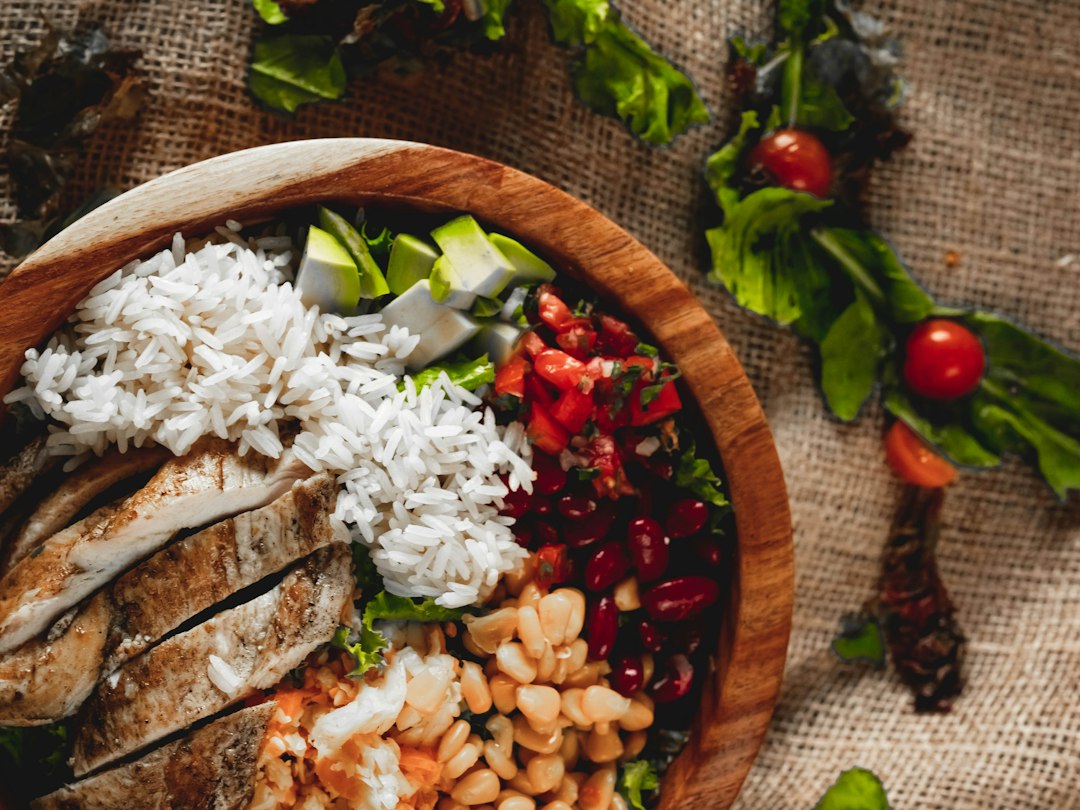
Use a combination of vegetables or fruit, a protein food, and a satisfying grain or other carbohydrate, adjusted for your needs. Frozen vegetables, canned beans, eggs, tofu, rice and similar staples offer many possible combinations. Avoid relying on an extreme schedule or supplement to compensate for fatigue or an inconsistent work routine.
What to test for one week
Measure friction, not your worth or willpower. Each day, note whether you had a food option available, whether preparation took an unreasonable amount of time, and what spoiled or went unused. At the end of the week, change just one thing: a different backup, a simpler breakfast, or fewer separate ingredients. A flexible plan is meant to survive a stressful week.
References: CDC: How to Have Healthier Meals and Snacks; USDA: Keep Food Safe; CDC: Maintaining a Healthy Weight.
Related: 3-2-1 meal prep and food storage checklist.
Shupa Diet original planning resource, October 16, 2026. Educational information only; it is not personalized nutrition or medical advice. See our Health Disclaimer.