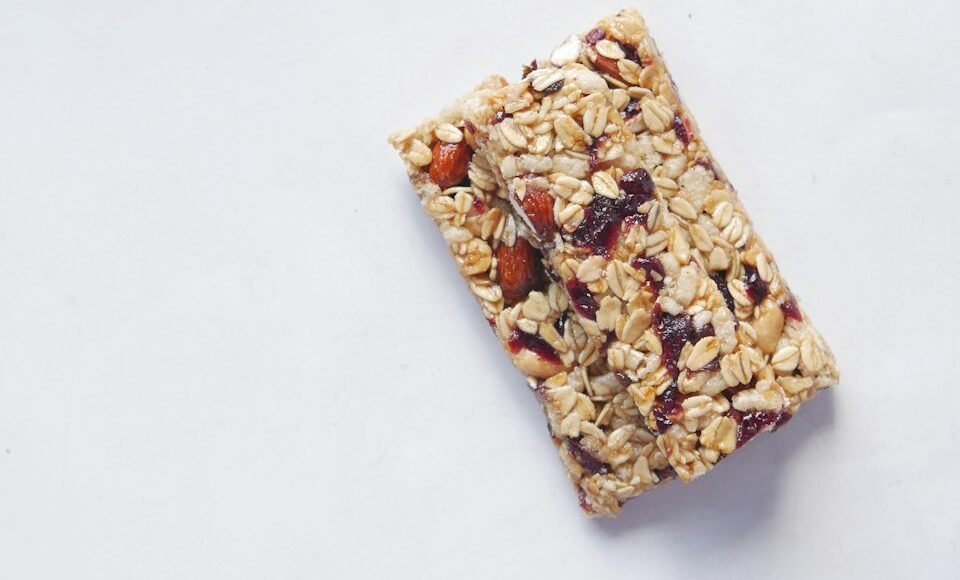
‘Net Carbs’ on a Snack Bar: Why Total Carbohydrate Still Matters
SHUPA EDITORIAL · CARBS
A snack bar may print “3 g net carbs” in large type while the Nutrition Facts panel lists a higher number of Total Carbohydrate. That is not automatically a labeling error: the phrases refer to different calculations. But it also does not mean the bar contains only three grams of carbohydrate relevant to every person’s metabolism.
Start with the regulated nutrition panel
The FDA Nutrition Facts guide includes total carbohydrate, dietary fiber and sugars. Sugar alcohols may be declared under total carbohydrate on applicable products. Those numbers and the serving size are the reliable starting point for comparisons, rather than a marketing calculation on the front of the pack.
Total carbohydrate
Includes starches, sugars, dietary fiber and any sugar alcohols. Do not overlook a higher total-carbohydrate number because the front uses smaller type elsewhere.
Dietary fiber
A subcomponent of total carbohydrate. The number is a label field, not an automatic subtraction rule for all personal health decisions.
Sugar alcohols
Absorption and energy contribution differ by type; incomplete absorption can also cause gastrointestinal effects for some people.
What “net carbs” arithmetic shows—and what it doesn’t
One common marketing convention subtracts listed fiber and sometimes sugar alcohols from total carbohydrate. But brands may treat sugar alcohols differently and not all have identical physiological effects. Do not use a single “net carb” number as a glucose, insulin, medical or therapeutic prediction.
| Fictional snack bar | Label per bar | Interpretation |
|---|---|---|
| Total carbohydrate | 24 g | Official nutrition-panel field |
| Dietary fiber | 9 g | Part of the 24 g, not extra |
| Sugar alcohols | 8 g | May be listed, type matters |
| Simple marketing subtraction | 24 − 9 − 8 = 7 g | One possible front-of-pack convention, not a universal physiological measurement |
This example is fictional. A second brand might subtract only certain sugar alcohols or use a different claim. Always compare total carbohydrate and the precise definition the manufacturer uses. If the product is a two-serving pack, your actual intake may be double the per-serving figures.
Why sugar alcohols are not all the same
FDA’s industry Nutrition Facts resources list sugar alcohols as a subcomponent under total carbohydrate when declared. Common examples include erythritol, sorbitol, maltitol and xylitol; they differ in digestion and tolerance. Do not assume subtracting all of them creates a personalized biological value.
A five-question bar comparison
- How many servings are in the entire package, and how many will you eat?
- What are Total Carbohydrate and Dietary Fiber per actual serving?
- Are sugar alcohols listed, and which specific ingredients are in the product?
- What are the calories, saturated fat and added sugar on the Nutrition Facts label?
- Does the seller explain the exact formula behind the front-of-pack “net carbs” claim?
When to ask for individualized advice
Anyone adjusting insulin, managing diabetes or a medical carbohydrate target needs advice from their clinician or registered dietitian. An internet subtraction formula cannot substitute for medication decisions or individual blood glucose responses. Some sugar alcohols cause gas, bloating or diarrhea, which is another reason not to treat them as an invisible ingredient.
FAQ
Does net carbs mean zero blood sugar effect?
No. A marketing subtraction does not establish the glucose response of a particular person.
Can I subtract fiber twice?
No. Dietary fiber is already included in Total Carbohydrate on the U.S. panel.
Should I buy a bar solely because its front says “Keto”?
Compare actual serving size and the full nutrient and ingredient list. “Keto” alone does not communicate every relevant property.
Next useful guide
Compare labels without getting misled
Primary reference: FDA Nutrition Facts guidance. Original analysis and tables by SHUPA; all examples are invented for explanation, not first-hand tests. Featured photograph: Towfiqu barbhuiya / Unsplash (illustrative, not proof of a clinical or product finding).