Is a Second Grocery Stop Worth It? A Savings, Travel and Time Planner
Shopping route tool · no sign-up
A lower shelf price does not automatically make a second grocery stop cheaper. This planner subtracts travel cost, extra time and a user-chosen stock-risk allowance from the savings you expect to find.
Is the extra stop worth it?
Manual worksheet: these fields do not calculate, save or send. Currency labels use dollars for readability, but the arithmetic works the same if every money input uses one other currency consistently. Use the worked formula below after changing an input.
Expected savings $15.30 − travel $4.50 − time $7.00 − risk allowance $2.00. The page does not recalculate this output after you edit a field.
The formula, in plain English
Expected list savings equals the shelf-price savings multiplied by your stock confidence. Extra trip burden equals travel cost plus extra minutes divided by 60 and multiplied by your time value, plus the risk allowance. The tool subtracts burden from expected savings. It also shows the shelf-price saving needed to break even at your confidence level.
This is a planning estimate, not a forecast. If you know the second store has the items reserved for pickup, a higher confidence input may be reasonable. If the offer is unclear or stock is unknown, use a lower number or skip the trip.
A fictional example with visible arithmetic
A shopper expects $18 of shelf-price savings and estimates an 85% chance that the exact items will be available. Expected savings are $15.30. A $4.50 extra travel cost, 35 minutes valued at $12 per hour ($7), and a $2 risk allowance create a $13.50 trip burden. The estimated net benefit is $1.80. The break-even shelf saving is $13.50 ÷ 0.85, or $15.88. All values are fictional and are not typical-price claims.
What to include—and what to leave out
| Input | Include | Leave out |
|---|---|---|
| List savings | The current price difference for the same needed quantity and usable product. | “Savings” from buying a larger amount you are unlikely to use, or items not on the list. |
| Travel cost | The incremental cost caused by adding this stop. | Costs already incurred on the original route. |
| Extra minutes | Detour, parking, waiting, checkout and the additional shop. | The entire shopping trip if most of it would happen anyway. |
| Confidence | A documented stock check, recent repeat availability or a cautious estimate. | A retailer’s general reputation treated as certainty. |
| Risk allowance | A transparent buffer for substitution or a wasted detour. | Hidden pessimism added again to every other input. |
Decision rules for a real shopping day
- Net benefit is clearly positive: add the stop only if the list and stock evidence are still current.
- Net benefit is near zero: one missing item or longer queue can erase it. Prefer the simpler route unless another non-price need matters.
- Net benefit is negative: the lower shelf price does not repay this particular detour.
- The trip depends on bulk quantities: compare usable quantity and likely waste, not only package price.
- You cannot verify stock: lower the confidence input or call the result unresolved instead of forcing a yes.
A five-minute pre-trip check
- Write the exact products, sizes and maximum acceptable substitutes.
- Record prices from the same day where possible, including membership conditions.
- Map only the additional distance or fare caused by the second stop.
- Estimate extra door-to-door minutes, not just driving time.
- Run both a cautious confidence and a best-case confidence. If the decision flips easily, the saving is fragile.
- After the trip, replace estimates with receipts and actual minutes. That gives your next decision a better baseline.
Connect route choice to the rest of the food budget
If package sizes differ, first use the grocery unit-price calculator. If produce trim or non-use changes what you actually eat, use the usable-yield cost calculator. The second-stop tool should compare the same usable need, not two unrelated baskets.
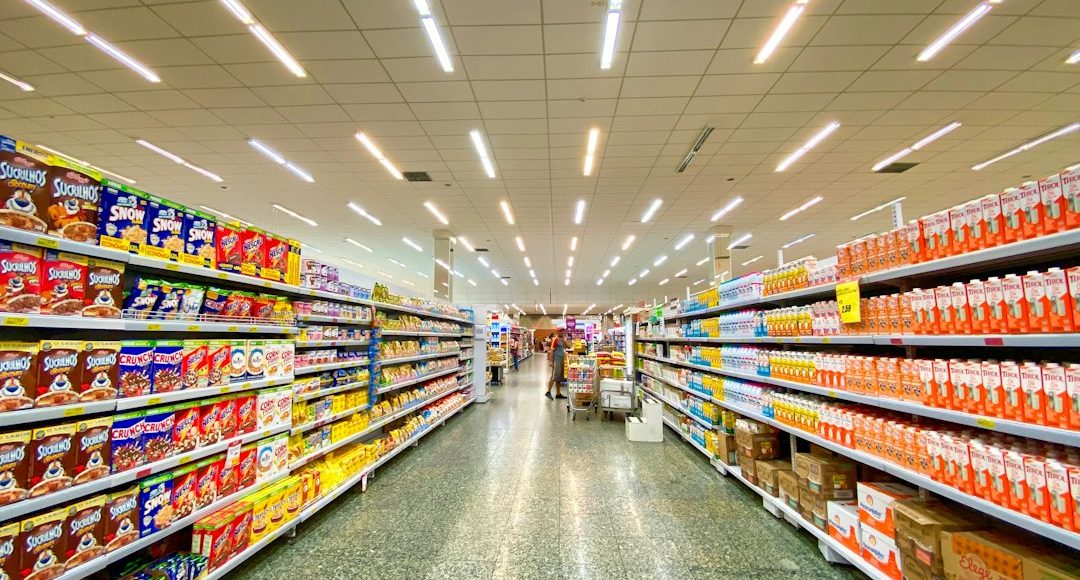
Featured photo: Nathália Rosa on Unsplash, used under the Unsplash License. The image is illustrative and does not represent a named store or price claim.