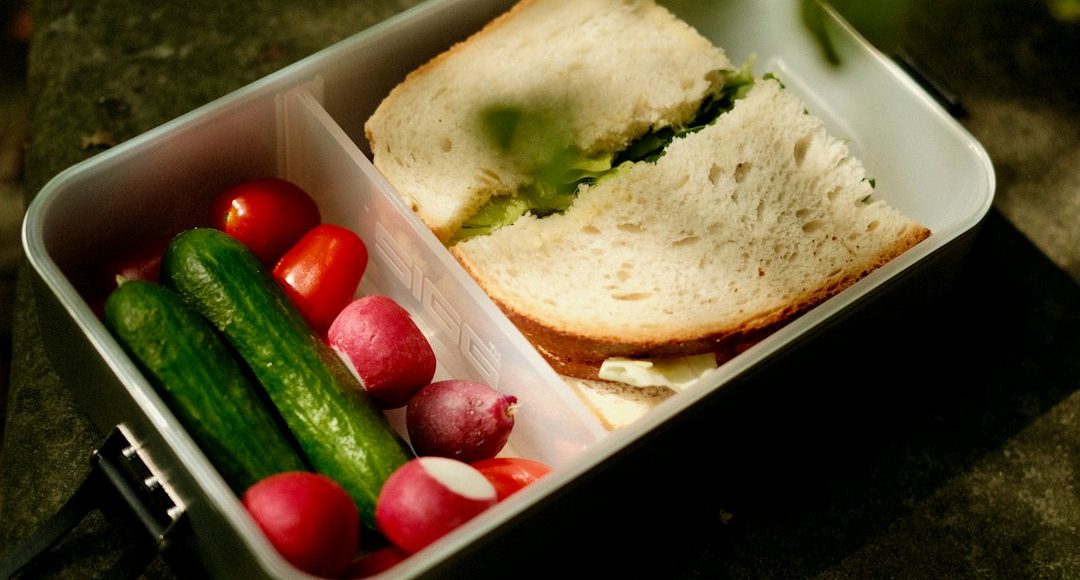
Packed Lunch or Buying Lunch? A Workweek Cost-and-Time Planner
“Packing lunch saves money” can be true and still be an incomplete decision. A packed lunch uses ingredients, containers, and preparation time. Buying lunch uses cash plus ordering, walking, or waiting time. This planner separates cash from time so you can see which part of the result matters to you.
The example prices are fictional. Use the same currency for every entry. This tool does not judge nutrition, food safety, or whether your workplace can safely store a meal; check your ingredients, storage setup, and current official guidance separately.
Workweek lunch cost-and-time calculator
Nothing is saved or sent. Results update in your browser.
“All-in” is a planning comparison, not money automatically earned or paid. It adds your chosen time value to cash. Keep the cash rows separate when your budget—not your time—is the immediate constraint.
What the calculator counts
- Packed cash = packed meal cost × lunch days + weekly container/supply allowance.
- Bought cash = bought meal cost × lunch days.
- Time value = minutes per meal × lunch days ÷ 60 × your chosen hourly value.
- All-in planning value = cash + time value for each option.
- Break-even packed cash cost is the per-meal ingredient amount at which the two all-in totals match.
Do not inflate the packed cost by counting an entire grocery package when only part goes into four lunches. Use the portion actually consumed. But do count food bought for lunch that repeatedly spoils or is thrown away; a two-week log is better evidence than a perfect-looking recipe estimate.

Pick the right comparison for your week
| Situation | Useful input change | Decision signal |
|---|---|---|
| Batch cooking | Divide active batch time by the number of lunches it produces. Do not count unattended cooling time as active labor. | Packing may use less active time than making each lunch separately. |
| Unpredictable office days | Use the number of days you are confident you will carry lunch, not the maximum possible office days. | A mixed plan can reduce wasted ingredients without requiring five packed meals. |
| Short lunch break | Include the walking, ordering, queueing, and return time for buying—not only the payment step. | A packed meal may protect break time even when cash costs are close. |
| Free or subsidized lunch | Enter the actual employee price rather than the menu price. | Buying may be lower after a real subsidy. |
A fictional four-day example
For four lunch days, imagine a packed meal uses $4.50 of ingredients, a bought lunch costs $13, packing takes 12 active minutes, buying takes 8 minutes, your planning time value is $18 per hour, and containers add $1 per week. These are fictional inputs.
- Packed cash: $4.50 × 4 + $1 = $19.
- Bought cash: $13 × 4 = $52.
- Packed time value: 48 minutes × $18/hour = $14.40.
- Bought time value: 32 minutes × $18/hour = $9.60.
- All-in difference: $61.60 − $33.40 = $28.20 lower for packing.
Notice that packing wins the fictional cash comparison by $33, while the all-in comparison narrows that advantage because packing takes 16 additional active minutes. The tool shows both answers so a time-value assumption never hides the actual cash budget.
Run a one-week reality log
- Record the portion cost of ingredients actually used, including sauces or snacks you would otherwise buy.
- Use a timer for hands-on packing time. Separate it from unattended cooking or cooling.
- For bought lunch, time from leaving work to returning—not just time at the counter.
- Note any packed meal left at home, purchased replacement meal, or discarded lunch ingredient.
- Keep employer subsidies, rewards, delivery fees, tips, and taxes in the option where they occur.
- After the week, replace the fictional defaults with your median—not your single best or worst day.
Turn the result into a workable lunch plan
If the calculation favors packing but preparation is the obstacle, use the ingredient-overlap worksheet to plan components that serve more than one meal. For facilities constraints, see the no-fridge desk lunch framework. If your schedule changes by shift, start with the irregular-shift meal planning guide. To improve the cash input itself, calculate a recipe with the cost-per-serving worksheet.
Continue planning
Browse the Diet guide hub for food-cost, prep-time, storage, and planning tools. The calculator on this page does not store your entries or send them anywhere.