Recipe Scaling Without Guesswork: Servings, Pack Sizes and Leftovers
SHUPA DIET / THE PRACTICAL EDIT
Recipe Scaling Without Guesswork
Scaling a recipe is easy until the shopping unit gets in the way.
Explore the guide
On this page
Scaling a recipe is easy until the shopping unit gets in the way. You may need 750 g, but the ingredient is sold in 500 g packs. This worksheet separates recipe quantity, cash paid and usable remainder so the shopping list does not pretend that fractional packs can be bought.
1. Keep four quantities separate
Recipe quantity
The amount in the original recipe for its stated number of servings.
Scaled quantity
Original quantity × target servings ÷ original servings.
Purchase quantity
Whole packs needed × quantity in each pack.
Remainder
Purchase quantity − scaled quantity. It becomes planned inventory only if you have a realistic use for it.
2. Recipe-and-pack calculator
One ingredient
This calculator runs only in your browser. It does not save, send or add items to a cart. Currency is whichever currency you use consistently.
3. Worked example: six servings from a four-serving recipe
Fictional example: a four-serving recipe uses 500 g of an ingredient. For six servings, the scale factor is 6 ÷ 4 = 1.5, so the recipe needs 500 × 1.5 = 750 g.
The ingredient is sold in 500 g packs at 4.80 each. Packs needed = ceiling(750 ÷ 500) = 2 packs. Cash spend = 2 × 4.80 = 9.60. Purchase quantity is 1,000 g, leaving 250 g. The portion of the purchase used in this recipe has a proportional value of 750 ÷ 500 × 4.80 = 7.20.
For cash-flow planning, record 9.60. For recipe-cost comparison, 7.20 may be useful only if the remaining 250 g is genuinely available for another meal. If it spoils or is discarded, the full 9.60 belongs in the used-cost decision.
4. Build the whole shopping row
| Ingredient | Scaled need | Pack size | Whole packs | Cash spend | Remainder plan |
|---|---|---|---|---|---|
| Ingredient A | 750 g | 500 g | 2 | 9.60 | 250 g for a named second meal |
| Ingredient B | 1.5 cans | 1 can | 2 | Enter shelf price | Do not assume an opened half-can keeps safely; use a separate food-safety source |
| Ingredient C | 6 pieces | 12-piece pack | 1 | Enter shelf price | Six pieces remain for a dated plan |
5. Checks that prevent false precision
- Do not mix units. Convert kilograms to grams or litres to millilitres before calculating.
- Round packs up, not recipe quantity down. A calculator can produce 1.2 packs; the shop may sell only whole packs.
- Keep yield changes separate. Raw-to-cooked weight can change. Use the recipe's specified form and do not invent a universal conversion.
- Record the shelf price you can actually buy. A price per 100 g helps compare packs, but the checkout still charges for whole packages.
- Name the remainder meal. “Use later” is not a plan. Add a dish and date, or treat the remainder as at risk of waste.
6. What the official guidance contributes
The USDA Food Buying Guide uses the same practical idea at a larger scale: estimate the servings needed, divide by the servings available per purchase unit and round up to enough purchase units. NIST's unit-pricing guide explains why a common price-per-measure makes package comparisons easier. This Shupa worksheet adds a household step: showing the difference between the cost of whole packs bought and the value of the amount used.
Related Shupa Diet tools
- Recipe Cost Per Serving Calculator
- Grocery Unit-Price Comparison Calculator
- Bulk Pack or Small Pack? Cost per Used Portion
Sources and photo note
- USDA Food Buying Guide: methods used to determine purchase quantity
- NIST Special Publication 1181 (2025): Unit Pricing Guide
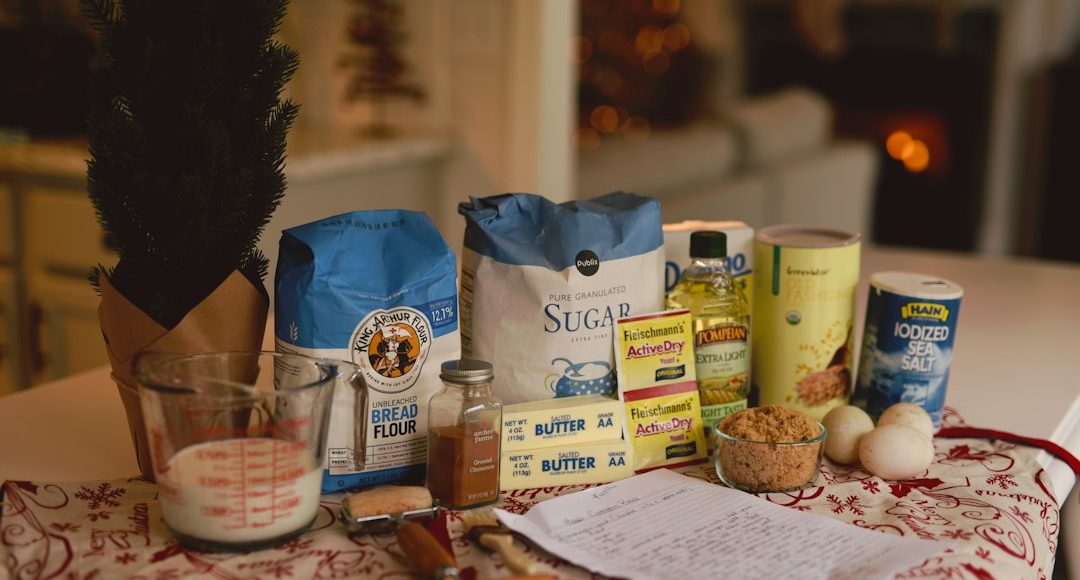
Illustrative ingredient photo by Christian Bowen on Unsplash. No pictured product is endorsed or reviewed.