Meal Kit or Grocery Basket? A Cost-and-Time Break-Even Worksheet
SHUPA DIET / THE PRACTICAL EDIT
Meal Kit or Grocery Basket? A Cost-and-Time Break-Even Worksheet
A meal kit can reduce planning and measuring, while a grocery basket can produce more servings for less cash.
Explore the guide
On this page
A meal kit can reduce planning and measuring, while a grocery basket can produce more servings for less cash. The useful question is not “Which is always cheaper?” It is: What did this option cost for the portions you actually used, and how much time did it genuinely save?

1. Put both choices on the same basis
Compare the same number of meals and the same number of people. Include charges that disappear from promotional headlines: delivery, required add-ons, pantry ingredients, transport, and food that was prepared but not eaten.
Meal-kit total
box price + delivery + required add-ons − discounts actually used
Grocery total
checkout cost for this plan + portion of shared pantry items + transport
Cost per used serving
total cash cost ÷ servings actually eaten
Break-even time value
extra cash cost ÷ hours genuinely saved
2. Your comparison inputs
Manual calculation: This article does not calculate automatically. Copy the four formulas above into a calculator or spreadsheet. If a meal is still safely stored and you expect to eat it later, do not count it as waste yet.
3. Fictional worked example
| Line | Meal kit | Grocery basket | Why it matters |
|---|---|---|---|
| Base cost | $32 box | $27 ingredients | Start with cash actually paid for the compared meals. |
| Extra included cost | $6 delivery | $3 pantry share | Count costs hidden outside the headline price. |
| Total | $38 | $30 | Promotions count only if they were actually applied. |
| Servings eaten now | 4 | 4 of 6 prepared | Unused grocery servings may become future meals, not automatic waste. |
| Cost per used serving now | $38 ÷ 4 = $9.50 | $30 ÷ 4 = $7.50 | The meal kit costs $2 more per serving at this point. |
| If all grocery servings are later eaten | Still $9.50 | $30 ÷ 6 = $5.00 | Utilization can change the result without changing checkout cost. |
Time break-even
For four used servings, the meal kit costs $8 more in total. If it genuinely saves 35 minutes, then:
$8 ÷ (35 ÷ 60) = about $13.71 per hour
This does not mean your time is worth exactly $13.71 or that the meal kit is the better choice. It shows the implied price paid for the convenience in this fictional comparison. If the saved time is mostly waiting time you would not use differently, record fewer minutes.
4. Common comparison errors
- Using the first-box discount as the permanent price. Run the regular-price version too.
- Comparing four kit servings with an entire grocery receipt. Allocate only the ingredients used for the same meals.
- Calling leftovers waste immediately. Recalculate after the planned eating window.
- Ignoring delivery or minimum-order charges. Add unavoidable fees.
- Giving time a value before measuring it. Time one normal week instead of guessing from marketing claims.
- Comparing only calories or package size. This worksheet is about cash and use; nutrition suitability needs a separate review.
5. A two-week test that avoids a subscription surprise
- Choose two comparable dinners per week and the same number of diners.
- Record the regular price, not only the introductory discount.
- Time active planning, shopping, preparation and cleanup separately.
- Count servings when eaten, not merely when cooked.
- Record skipped boxes, cancellation deadlines and unused ingredients.
- Review after two weeks; do not continue automatically just because the first week felt easier.
How unit price fits—and where it stops
NIST describes unit pricing as a way to compare cost by a standard measure such as weight, volume or count. That can help compare grocery packages, but it cannot account for delivery, the value of pre-portioned ingredients, unused food or time. Use shelf unit price as one input, then finish the used-serving calculation yourself.
Related Shupa Diet tools
- Bulk Pack or Small Pack? Cost per Used Portion
- Recipe Cost Per Serving Calculator
- Five Days of Fridge-First Meal Planning
Source and photo note
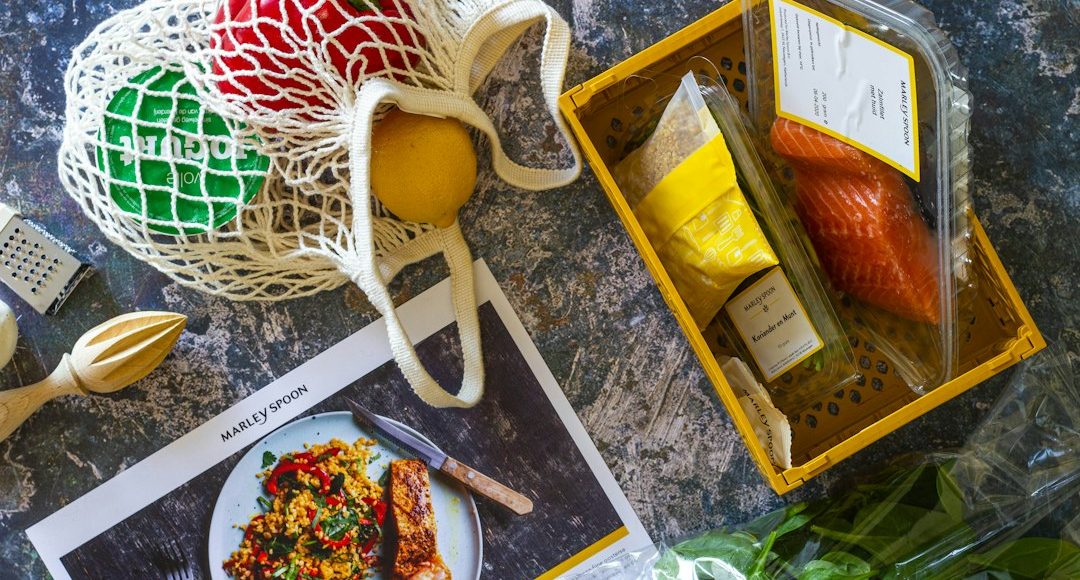
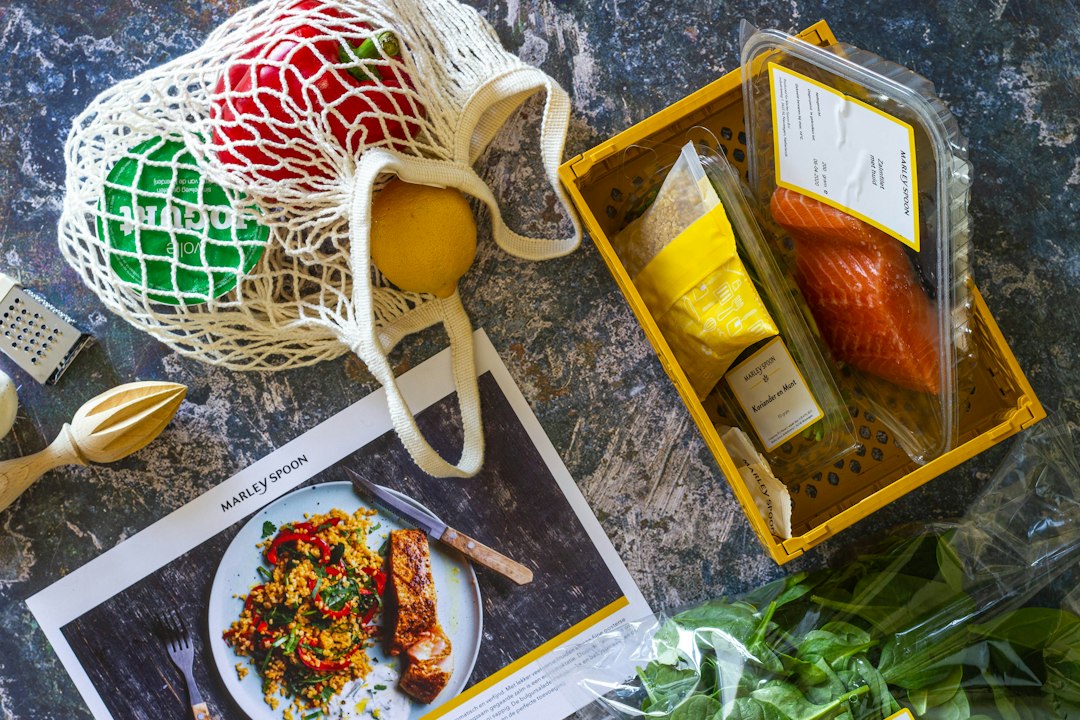
Illustrative meal-kit photo by micheile henderson on Unsplash. No pictured product or company is endorsed or reviewed.