Are Reusable Meal-Prep Containers Cheaper? A Cost-Per-Use Worksheet
What this tool does: compare reusable meal-prep containers with the single-use bags, wraps or containers they actually replace. The fields are a scratchpad only. This page does not calculate, save or send what you type.
A reusable set is not automatically cheaper because the label says it can be used many times. The useful number is the cost per completed container-use: a container was filled, used, washed and remained available for the next cycle. Lost lids, awkward sizes and unused pieces should not be counted as successful uses.
1. Define one preparation cycle
A cycle might be five weekday lunches or four freezer portions. Keep the same number of packed portions on both sides of the comparison.
2. Use costs that change with real use
Reusable total to date = purchase price + washing costs to date + replacement parts to date.
Reusable cost per completed container-use = reusable total to date ÷ (containers used per cycle × completed cycles).
Single-use total avoided = single-use cost per portion × containers used per cycle × completed cycles.
Time, water and energy costs vary by household. Use a measured estimate you can defend, or leave them as separate non-cash notes rather than inventing precision.
Worked example with fictional prices
These numbers are invented for the example. They are not product prices, durability claims or a recommendation.
| Assumption | At 12 cycles | At 30 cycles |
|---|---|---|
| Reusable set purchase | $36.00 | $36.00 |
| Five containers used each cycle | 60 completed uses | 150 completed uses |
| Washing at $0.45 per cycle | $5.40 | $13.50 |
| Replacement reserve at $0.20 per cycle | $2.40 | $6.00 |
| Reusable total | $43.80 | $55.50 |
| Reusable cost per completed use | $0.73 | $0.37 |
| Single-use alternative at $0.42 each | $25.20 | $63.00 |
| Difference | Reusable costs $18.60 more | Reusable costs $7.50 less |
The same reusable set loses the comparison at 12 cycles and wins it at 30. That is why an advertised lifetime is less useful than tracking completed uses in your own routine.
3. Estimate the break-even cycle
First calculate the cost avoided in one cycle: single-use cost per portion × containers used. Then subtract washing and replacement cost per cycle.
Break-even cycles = reusable purchase price ÷ (single-use cost avoided per cycle − washing cost per cycle − replacement cost per cycle).
In the fictional example: $36 ÷ (($0.42 × 5) − $0.45 − $0.20) = 24.83, so the set needs about 25 completed cycles to break even. If the denominator is zero or negative, the reusable option does not reach a cash break-even under those assumptions.
4. Run a fit audit before buying
- Usable sizes: how many pieces match the portions you actually pack?
- Storage footprint: do bases nest, and where will loose lids live?
- Closure: can you verify the lid is seated before transport?
- Replacement path: are lids or individual pieces available without buying a whole new set?
- Routine: will a container be washed and returned before the next prep day?
- Damage rule: what visible condition makes you retire a piece from food use?
Follow the manufacturer’s use, cleaning and temperature instructions for the exact material and product. This worksheet does not certify a container for a microwave, freezer, dishwasher or a particular food.
5. Review after four real cycles
- Count only pieces that were actually used, not everything in the set.
- Record missing lids, leaks, stains or sizes that stayed unused.
- Update the washing and replacement assumptions with real household data.
- Recalculate the break-even cycle before buying a second set.
Build the rest of the meal-prep system
Use the hot-batch container planner to plan portion count, the packed-lunch cost and time planner for the meal decision, and the bulk-pack cost-per-used-portion worksheet for ingredients. Browse every tool in All Shupa Diet Guides.
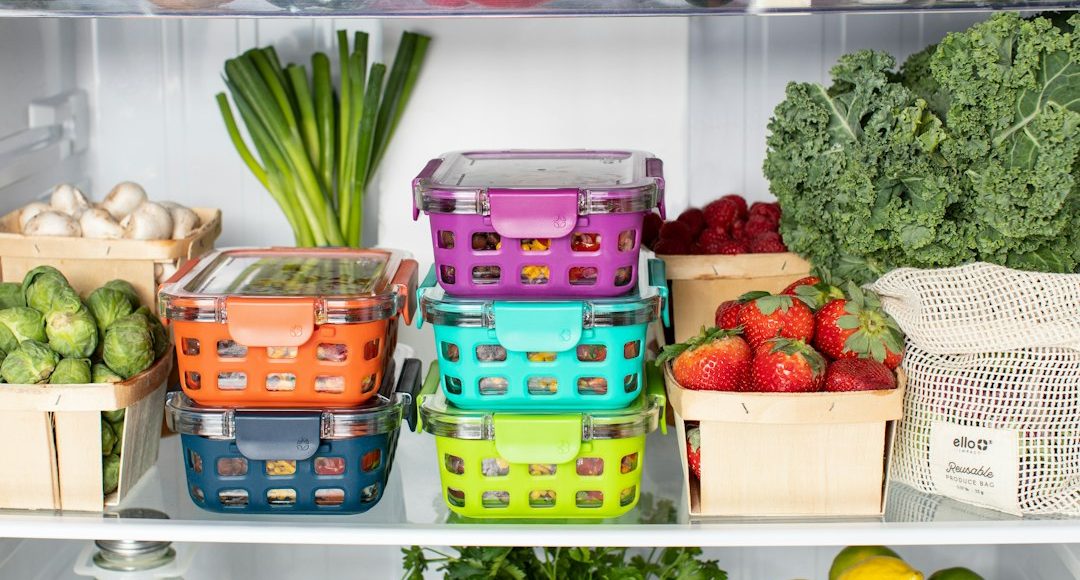
Photo credit: Ello on Unsplash. The photograph illustrates container storage; it is not a tested product endorsement. This page is a budgeting worksheet, not food-safety certification or environmental-impact analysis.