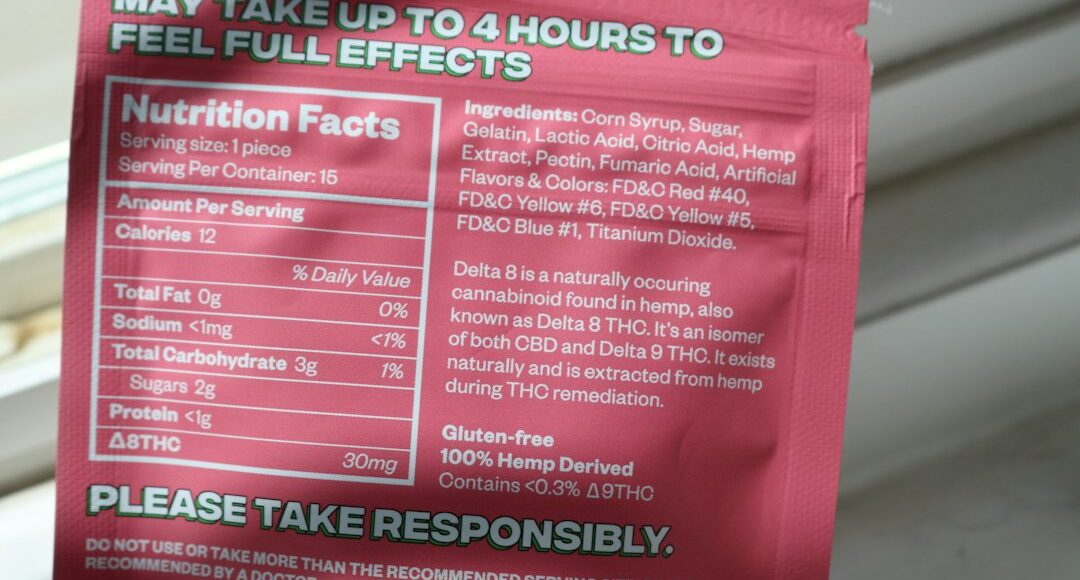
One Package, Multiple Servings: A Nutrition-Label Math Workbook
A snack packet can look like a single serving while listing nutrition for only part of the package. You do not need to memorize nutrition rules to avoid this trap: check three numbers and calculate what you actually eat.
The three numbers to find first
- Serving size: the quantity used for the label’s figures; it is not necessarily a recommended portion.
- Servings per container: approximately how many labeled portions are in the pack.
- Nutrition per serving: calories, sodium, saturated fat, fiber and other nutrients for that portion.
Worked example, not a real product
Imagine a 300 g pouch labeled 100 g per serving, three servings per pack, 180 calories and 240 mg sodium per serving.
| Amount eaten | Multiplier | Calories | Sodium |
|---|---|---|---|
| 100 g | 1× | 180 | 240 mg |
| 150 g | 1.5× | 270 | 360 mg |
| Entire 300 g pack | 3× | 540 | 720 mg |
Formula: amount eaten ÷ label serving size × nutrient amount per serving. Rounding on labels can make totals approximate.
Compare products fairly
If Product A lists 120 mg sodium per 30 g and Product B lists 160 mg per 50 g, compare both on the same basis. A is 400 mg per 100 g; B is 320 mg per 100 g. Per-serving comparisons alone would have made A look lower.
Three package-size traps, with the complete arithmetic
These are invented labels used to demonstrate what to do with a real package. The results are not verified nutrition information for any named product.
| Situation | Label | What you actually consume | Result |
|---|---|---|---|
| A single-looking snack bag | 140 kcal per 35 g; 2 servings in the bag | 70 g: the whole bag | 280 kcal, not 140 |
| A shared soup carton | 320 mg sodium per 250 mL | 375 mL: 1½ portions | 480 mg sodium |
| A snack sold in a large tub | 6 g fiber per 80 g | 40 g: half the labeled portion | 3 g fiber |
The multiplication factors are 70÷35=2; 375÷250=1.5; and 40÷80=0.5. A real label may round displayed quantities, and nutrition values can vary by country and product. Use the same units for the serving size and portion eaten.
When to stop and recheck instead of calculating
If a packet gives values per container or per 100 g instead of per serving, do not multiply by the “servings per container” again. If the label is for dry food but you are weighing the food after cooking, compare like with like or use the original dry weight. If the package lists both per-serving and per-package amounts, prefer the directly printed amount for your actual quantity when appropriate. For medically prescribed restrictions, check the full nutritional context with a registered dietitian rather than relying on this arithmetic alone.
Primary reference: US FDA Nutrition Facts label guide. This site also has a working portion calculator that applies the same formula to your own quantities.
Your two-minute shopping worksheet
Record the product name; grams per serving; servings per pack; grams actually eaten; calories, sodium and fiber per serving; then calculate totals. Check whether the label expresses values per serving, per package or per 100 g before using any formula.
What the math cannot tell you
One nutrient figure does not describe overall diet quality. Ingredient composition, dietary needs and eating patterns still matter. People managing a medical condition should follow individualized advice from their clinician or registered dietitian. Nutrition labeling requirements also differ by country, so use the format printed on your own pack.
Try it with your own package: Open our interactive nutrition label calculator to enter serving size, portion eaten, energy, sodium, fiber and sugar. The arithmetic runs in your browser.
Bottom line: compare equal amounts and calculate the amount you really consume. This small habit makes package-size marketing less confusing.