Freezer Burn or Spoiled Food? A Safety-First Frozen Food Decision Guide
SHUPA ORIGINAL / FOOD SAFETY
A dry, pale patch on a frozen chicken breast can be freezer burn, which the USDA treats as a quality problem, not in itself proof that food is unsafe. But the reverse is also important: the absence of freezer burn does not tell you whether food thawed during an outage, stayed too warm or developed another safety problem. This guide keeps those two questions separate.
First: what freezer burn actually means
The USDA Food Safety and Inspection Service describes freezer burn as grayish-brown, leathery dry areas that develop when air reaches the frozen food’s surface. It can damage texture and flavor. Continuously frozen food with a localized dry spot may still be safe, although quality can be reduced. Severely freezer-burned food may be discarded for quality reasons.
Do not confuse the look of food with its temperature history
Quality question
Has dry air exposure left pale, leathery areas or off-texture portions? Could suitable cooking still provide an acceptable texture?
Safety question
Was the package kept at appropriate freezer temperatures? Was there an outage, long unrefrigerated thaw, damaged packaging or cross-contamination?
Unknown history
Not knowing whether an unsafe thaw occurred is different from recognizing harmless surface drying. Use the official outage and discard guidance—not a visual guess.
A four-route frozen-food decision guide
| Observation | Next action | Do not infer |
|---|---|---|
| Known continuously frozen; localized dry, leathery discoloration | Consult package instructions; consider removing freezer-burned portions and cooking safely | That dry spots mean bacterial contamination |
| Temperature history unknown after a power outage | Follow FoodSafety.gov outage and discard guidance using actual temperature history where available | That appearance or taste can clear the food |
| Damaged bag, apparent leak or contact with raw juices | Separate affected food and assess potential contamination; discard when safety cannot be established | That trimming a surface spot fixes every hazard |
| Visible mold on bread or other porous foods | Discard the affected porous item instead of trimming only the visible spot | That a clean-looking adjacent slice is automatically safe |
Why freezer burn is not the same as mold
Freezer burn is a moisture-loss and air-contact problem. Mold is biological growth and can extend below visible surfaces, particularly in porous foods like bread. A freezer-burned patch is usually dry and leathery, but photographs alone cannot classify unknown food safely. If you suspect mold or contamination, do not smell closely, scrape off a tiny surface patch and taste the remainder.
The package and cold-chain checklist
- Write down the food type and whether it was originally raw, cooked or ready to eat.
- Confirm whether it remained frozen continuously, particularly during transport and outages.
- Check the wrapper for torn seams, ice crystals after thaw/refreeze, liquid leaks or other signs of mishandling.
- Look at the manufacturer’s storage guidance, preparation directions and relevant use-by rules.
- If the problem is only confirmed freezer burn with no safety concerns, make a separate quality choice about trimming and cooking.
- Do not try to rescue food with uncertain safety by cooking it longer or adding stronger seasoning.
A fictional freezer-cleanout example
Two packages of frozen vegetables have white dry patches. The first was stored in a tightly monitored freezer with no recorded outage; the family may decide whether the texture is worth using after following safe cooking instructions. The second package sat in an unplugged freezer while the household was away and nobody knows when it warmed. A dry patch cannot answer the second package’s safety question. The next action must depend on the official temperature-history and outage guidance.
Prevent the problem without inventing shelf-life numbers
Follow recommended packaging and freezer-storage directions. Keep bags well sealed, avoid unnecessary air pockets, date portions and avoid storing them where doors repeatedly warm the food. Do not invent one universal “safe for 12 months” rule for every ingredient: safety and peak quality are different timelines, and packaging and freezing conditions matter.
Frequently asked questions
Are white dry patches on frozen bread always freezer burn?
No. They may have several causes. You cannot determine storage safety from color alone. Check package conditions and thaw history; discard visibly moldy bread.
If frozen meat smells normal after an outage, can I cook it?
Smell is not a reliable safety test. Use official discard criteria and actual temperature history; when that cannot be established, take the safer course.
Is freezer burn a reason to demand a refund?
Quality and seller remedies depend on the purchase and storage circumstances. The page is a food-handling guide, not a consumer-law or seller-warranty determination.
Related reading
Best-before dates and food-safety decisions
Sources and editorial notes
USDA FSIS: What is freezer burn? · FoodSafety.gov: Safety during a power outage
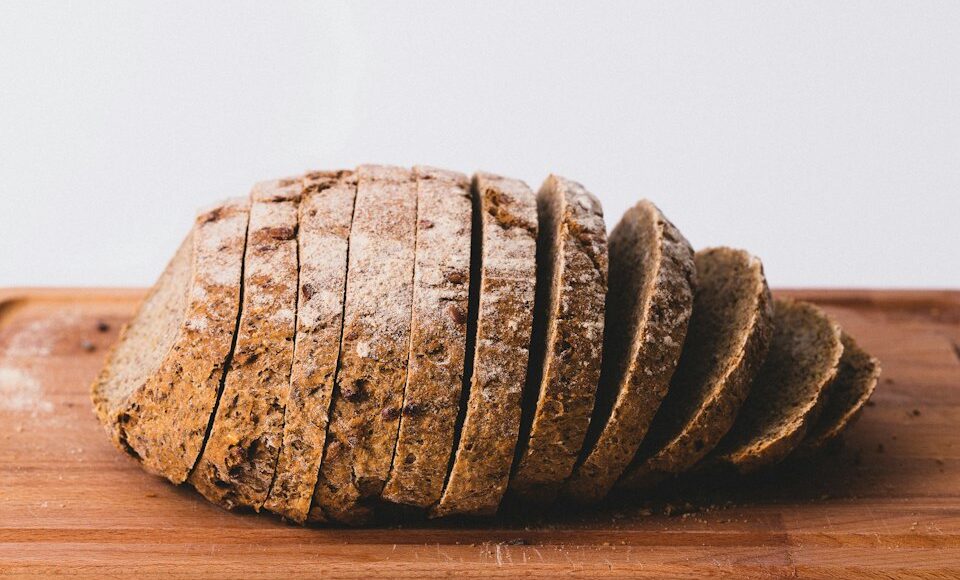
This original SHUPA comparison and checklist is for readers to use, not a claim of tested product performance or professional diagnosis. Featured photo: Jude Infantini / Unsplash, an illustrative image rather than a photograph of a trial described here.