How to Compare Two Nutrition Labels Without Getting Misled
SHUPA DIET / THE PRACTICAL EDIT
How to Compare Two Nutrition Labels Without Getting Misled
'Low fat', 'natural', and 'high protein' on a package front do not tell the full story.
Explore the guide
On this page
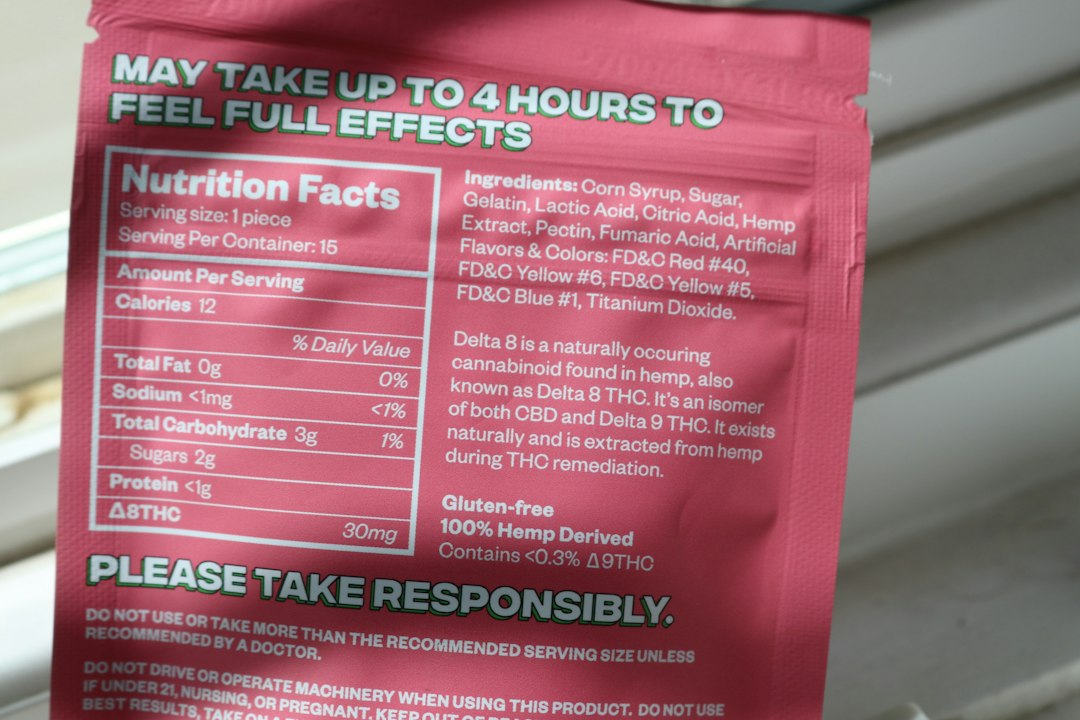
‘Low fat’, ‘natural’, and ‘high protein’ on a package front do not tell the full story. A more useful habit is to compare the Nutrition Facts panels on two similar products. This checklist follows the structure of the U.S. FDA label and helps you make a choice that fits your priorities. It does not rate any particular brand.
Five checks in the right order
- Compare serving sizes first. If Product A lists a 40-gram serving and Product B lists 60 grams, the numbers are not directly comparable. Consider what amount you would realistically eat. Serving size on a label is not a recommendation about your personal portion.
- Notice servings per container. A package can contain more than one serving; using the entire package changes the amounts.
- Choose the nutrients relevant to your needs. Depending on your circumstances, that might mean fiber, added sugars, sodium, saturated fat, or protein. One nutrient doesn’t determine whether a food is ‘good’ or ‘bad’.
- Use % Daily Value as a comparison tool. On U.S. labels, 5% DV or less is generally considered low, and 20% DV or more high for a nutrient per serving. Those are reference values, not personalized prescriptions.
- Read ingredients and consider price. Check allergens, the order of ingredients and whether you actually like the product. Compare cost per comparable quantity, not the sticker price alone.
Worked comparison: the same amount of two fictional products
Manufacturers may print nutrition values for different serving weights, so comparing the two numbers printed on the front of your shopping list can be misleading. The numbers below are fictional examples created to show the calculation, not verified values for any food brand.
| Item | Fictional Product A | Fictional Product B |
|---|---|---|
| Label’s serving size | 40 g | 60 g |
| Sodium shown per label serving | 160 mg | 180 mg |
| Added sugars per label serving | 6 g | 3 g |
| Sodium normalized to 100 g | 400 mg | 300 mg |
| Added sugars normalized to 100 g | 15 g | 5 g |
| Sodium in a hypothetical 80 g amount | 320 mg | 240 mg |
| Added sugars in a hypothetical 80 g amount | 12 g | 4 g |
How to calculate: divide a listed nutrient amount by the label’s serving size in grams, then multiply by the amount you wish to compare. For example, Product A’s sodium per 100 g is 160 ÷ 40 × 100 = 400 mg. Product B’s is 180 ÷ 60 × 100 = 300 mg. The products must be similar enough for a comparison to be useful, and grams of sodium or sugar do not measure overall nutritional suitability.
What about % Daily Value? The U.S. FDA uses 5% DV or less as a general guide to low amounts of a nutrient per serving, and 20% DV or more as high. This reference is not a personal medical recommendation; serving sizes and individual nutritional needs differ. Some items, including total sugars, do not have a %DV. If your medical care plan requires tracking a nutrient, use instructions from your qualified healthcare professional.
For sources and official illustrations, see the FDA explanation of % Daily Value and the FDA added-sugars labeling guide. The product values above are educational placeholders, not real food-test results.
Try a side-by-side worksheet
| Question | Product A | Product B |
|---|---|---|
| Serving size | ____ | ____ |
| Servings per package | ____ | ____ |
| Added sugars | ____ | ____ |
| Sodium | ____ | ____ |
| Fiber/protein relevant to your need | ____ | ____ |
| Allergens or ingredients to check | ____ | ____ |
| Price per equivalent amount | ____ | ____ |
Example: two yogurts
Imagine two yogurts with different serving sizes. Rather than immediately choosing the one with fewer total sugars, first compare the amount you would eat. Total sugars can include naturally occurring sugars in milk, while added sugars are reported separately on U.S. labels. Then assess protein, other nutrients, added flavorings, price and your preferences. This is a method of comparison—not a claim that one yogurt is medically preferable.
Common mistakes
- Comparing unlike portions: always normalize the amount when appropriate.
- Assuming 0% DV means zero quantity: understand rounding and label context.
- Ignoring sodium: a savory convenience food may deserve a closer look if you are watching sodium.
- Using nutrition labels to self-treat illness: medical diets require individual professional guidance.
Source and next step
Review the FDA’s Nutrition Facts Label explanation and added sugars guidance. Carry this table to the store or use it with our grocery-list worksheet.
Shupa Diet original planning resource, October 16, 2026. Educational information only; it is not personalized nutrition or medical advice. See our Health Disclaimer.