
How-To, Muscles Worked, Variations, and Benefits – Fitness Volt
How-To, Muscles Worked, Variations, and Benefits – Fitness Volt
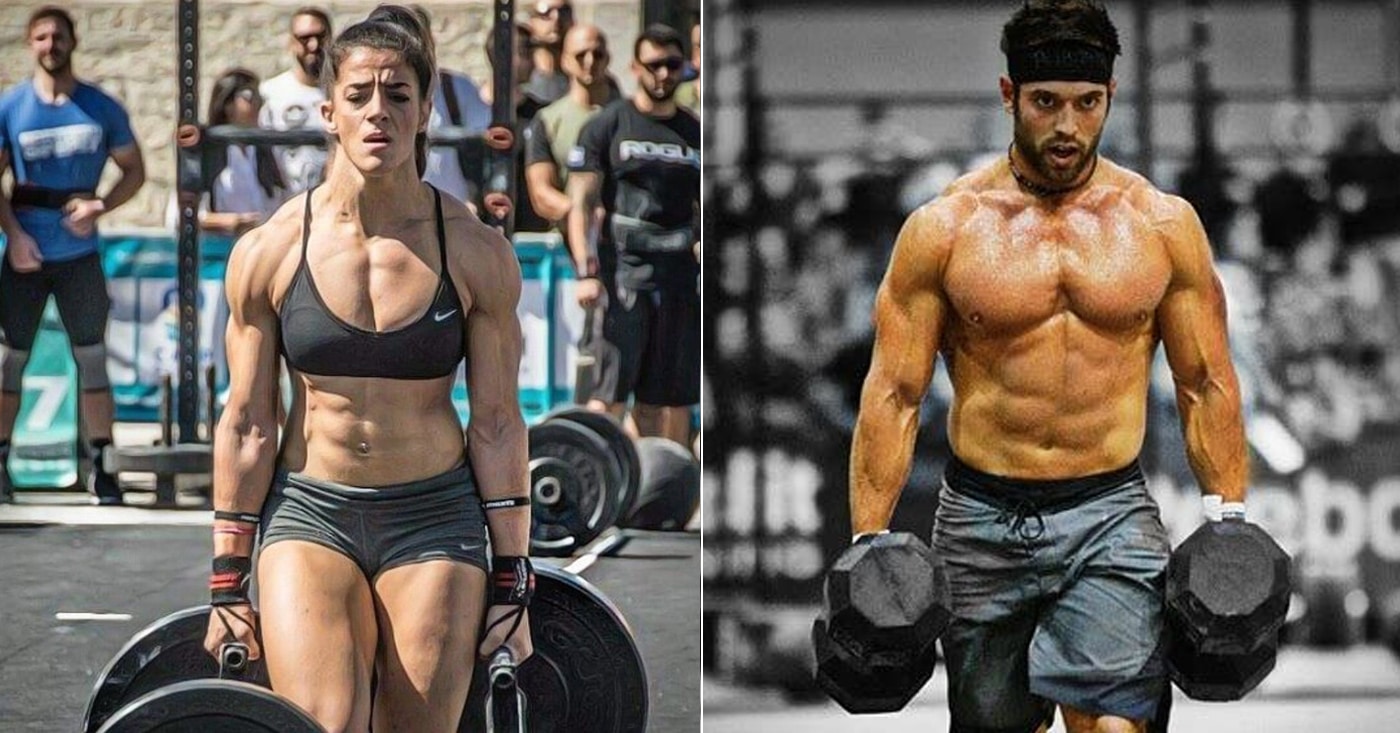
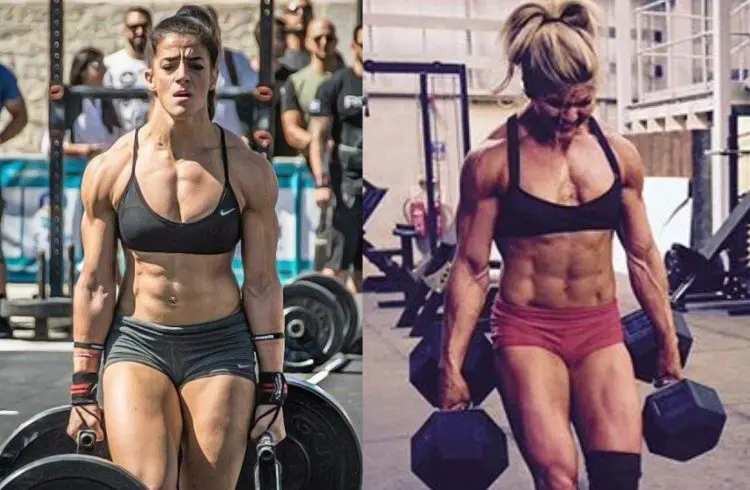
The Farmer’s Walk involves carrying a weight in each hand while walking. You can use kettlebells, dumbbells, a trap bar, or dedicated Farmer’s Walk handles. The load should let you pick up, carry, and set down the weights with control.
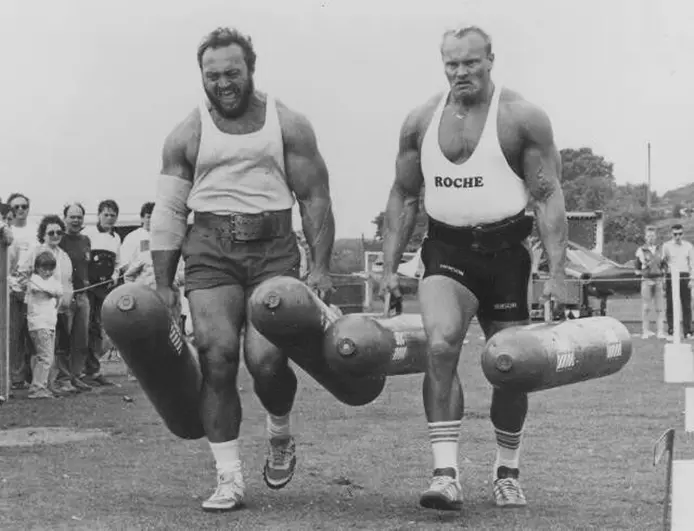
You may recognize it from Strongman competitions, where athletes race with heavy implements. For general training, keep a controlled pace and finish before your grip fails.
How To Do The Farmer’s Walk
Choose two weights with secure handles and enough clearance to avoid hitting your legs. At home, matching, securely closed containers can work for a light carry if the handles can support the contents. Avoid fragile handles, loose contents, or awkward loads while learning.
NSCA coaches Jason Taylor and Mason Reed recommend an upright torso and slow, controlled walking. They also note the limited evidence for prescribing loads and distances across different carry variations. The setup and stopping cues below are practical coaching guidance, not a guarantee against injury. [1]
- Clear a level, dry route before picking up the weights. Leave space to turn and a clear area to set them down, away from your feet and other people.
- Start with a manageable load and a short route. You should be able to lift the weights, walk without leaning or stumbling, and lower them under control. A load you can lift once may still be too heavy to carry.
- Stand between the weights with your feet about hip-width apart. Bend at your hips and knees, take a secure grip, brace your trunk, and stand up without jerking the handles.
- Keep your arms long, your torso upright, and your gaze ahead. Walk with controlled steps. Avoid forcing your shoulders into a shrug or an exaggerated shoulders-back position.
- Slow before a turn and change direction with several small steps, moving your feet and torso together. Avoid a sharp pivot with your feet planted. If space is tight, finish the carry and set the weights down before repositioning.
Important tips:
- Stop before your grip fails. If a handle starts slipping, your posture changes, or you lose control of your steps, end the carry. Do not speed up to squeeze out more distance. Stop if you feel pain.
- Plan the set-down. Come to a stable stop while you still control the weights. Keep them beside you, bend at your hips and knees, and lower them to the floor with your feet clear. Keep hold until the implements are supported; avoid turning while lowering them.
- Repeat a manageable load until the pickup, walk, turns, and set-down stay controlled. Then consider a small increase in load or distance, rather than changing both at once. There is no mandatory five-pound increase per side.
Muscles Worked
The Farmer’s Walk combines walking with gripping and supporting a load.
Legs – your glutes, quadriceps, hamstrings, and calves contribute to walking and supporting your body as you carry the weights.
Core – your core muscles help control your trunk while the load moves with each step.
Back – the back and traps help support the carrying position. Keep the load manageable rather than trying to hold an exaggerated rigid posture.
Biceps – keep your arms long rather than curling the weights toward your shoulders. A standard Farmer’s Walk uses a different arm position from a front rack carry.
Forearms – the finger flexors in your forearms work to hold the handles. Grip demands can limit the carry before your legs tire.
McGill and colleagues studied muscle activity and estimated trunk loading during strongman exercises, including the Farmer’s Walk. Their findings describe the demands of carrying; they do not establish a guaranteed muscle-growth result or an injury-free load for every reader. [2]
Farmer’s Walk Variations
Changing the position of the load changes the task. Use a load you can control in that position instead of assuming your usual Farmer’s Walk weight will transfer.
One-arm/suitcase Farmer’s Walk
Hold one weight at your side. Keep your shoulders level and resist leaning toward or away from the load. This changes the balance demands compared with carrying equal weights in both hands.
Front rack carry
Hold the weights near the front of your shoulders and upper chest while walking. You can use one or two weights. Choose a load that lets you maintain the rack position without leaning back; it does not need to match your regular carry weight.
Overhead carry
Carry a weight overhead while keeping the arm and trunk under control. This requires a different setup from holding weights at your sides. Use this variation only if you can establish and maintain a comfortable overhead position, and get coaching help if the setup or lowering phase is unfamiliar.
Zercher carry
Hold a barbell in the crooks of your elbows. Start with a light load and a setup that lets you pick up and return the bar without an awkward lift from the floor. The front-loaded position does not guarantee better posture; reduce the load if you cannot control it.
Suitcase with overhead carry
Combine a weight at one side with a weight overhead, using dumbbells or kettlebells. Practice the two positions separately before combining them. Keep the loads manageable and plan how you will lower the overhead weight before starting.
Farmer’s Walk Benefits
Loaded carries can add grip and carrying practice to a strength-training routine. Your results depend on the load, training dose, recovery, and the rest of your program.
Increased strength
The Farmer’s Walk gives you practice supporting a load while moving. It can train carrying capacity alongside conventional lifts, but adding it to a weekly routine does not guarantee a particular strength gain.
More muscle mass
A hard carry places demands on muscle, but muscle growth is not automatic. The strongman biomechanics study cited above did not measure long-term hypertrophy. Do not judge a carry by how much discomfort you can tolerate or chase distance after your grip starts failing.
Improved posture
During a carry, you practice maintaining an upright position under load. That is different from showing that the exercise will correct your everyday posture or prevent injury.
Stronger grip
Holding the handles challenges your grip. Progress only while you can control the whole carry, including the set-down. A shorter controlled carry is a better practice target than continuing until the weight slips.
Wrapping Up
Choose a load you can carry and lower with control. Keep your route clear, take turns without a sharp pivot, and stop before your grip fails. Use the variations to change the carrying position, with a manageable load for each setup.
Sources
- Taylor, J., and Reed, M. (2020). Increase Hip and Trunk Stability with Loaded Carries for Injury Prevention, Rehabilitation, and Performance. NSCA Coach, 7(3). Accessed September 8, 2026.
- McGill, S. M., McDermott, A., and Fenwick, C. M. (2009). Comparison of different strongman events: trunk muscle activation and lumbar spine motion, load, and stiffness. Journal of Strength and Conditioning Research, 23(4), 1148–1161. DOI: 10.1519/JSC.0b013e318198f8f7. PMID: 19528856.